

Evaluating a tube laser cutting machine price involves looking far beyond the initial equipment sticker tag. The more critical metric is how fast that capital asset pays for itself in actual shop production.
A tube laser cutting machine price depends on the machine category, the laser power, and the automation level. But the price tag alone does not tell you whether the machine is a good investment. That depends on what you cut, what you charge, and how many hours per month you can keep the machine running.
در WSL لیزر, we publish realistic price ranges because we want our customers to make a financial decision, not a blind leap. This article gives you the real numbers.
Ⅰ. Tube Laser Cutting Machine Price Breakdown by Category
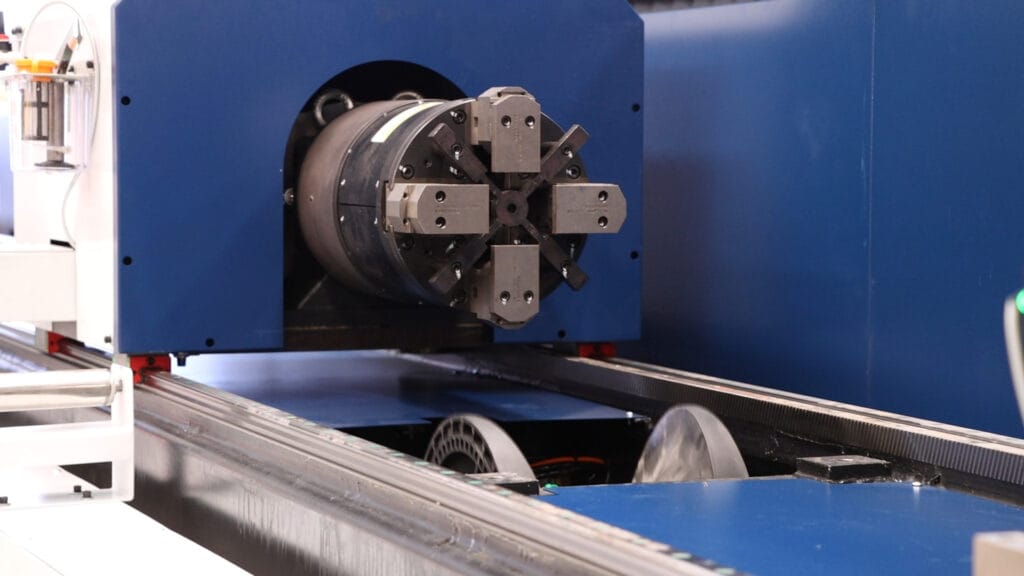
1. Price Ranges by Machine Category
Tube laser cutting machines fall into three broad categories, and the price difference between them is significant. The table below reflects market benchmark estimates for industrial-grade equipment.
| Machine Category | Typical Configuration | Market Price Range (USD) | بهترین برای |
|---|---|---|---|
| Entry Sheet & Tube Combo | 1.5–3kW, 6m side-mount rotary axis | $35,000–$55,000 | Job shops replacing saws and drill presses |
| Heavy-Duty Sheet & Tube Combo | 6–12kW, heavy pneumatic chuck, full enclosure | $65,000–$95,000 | Agricultural, structural, and contract cutting |
| Dedicated Tube Laser | 3–6kW, auto bundle loader, three-chuck | $85,000–$180,000+ | High-volume tube specialists and railing manufacturers |
These are not quotes. They are benchmark estimates that reflect the current industrial market for new machines. Your exact price depends on configuration, options, and delivery terms.
2. Why the Spread Is So Wide
The price spread exists because the machines are not interchangeable. An entry-level combo machine with a side-mount rotary axis is not the same as a dedicated tube laser with automated loading and zero-tailing chucks. The difference is throughput.
A shop that cuts a few hundred tube lengths per month does not need a $180,000 dedicated machine. A shop that cuts tens of thousands of tube lengths per month cannot afford to run an entry-level combo. The right price is the one that matches your actual tube volume.
Ⅱ. The Combo Machine Value Logic
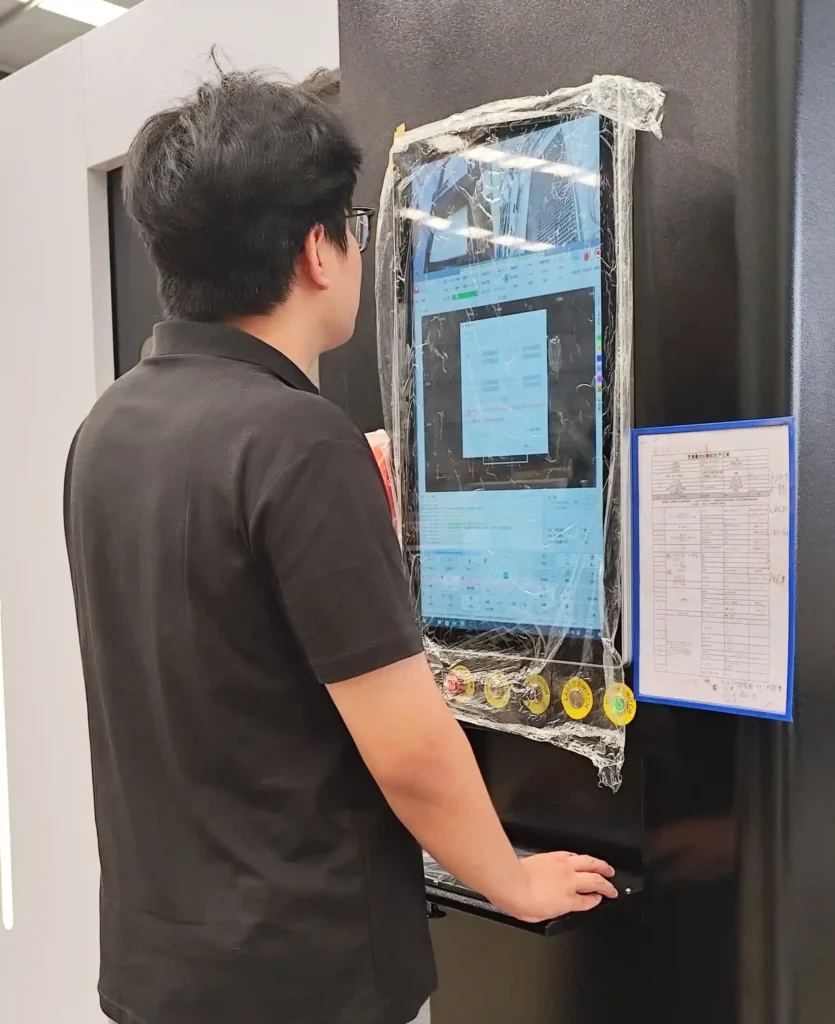
1. One Machine, Two Revenue Streams
The sheet and tube combo machine is the most interesting option for a general fabrication shop because it adds tube cutting capability to a platform that already cuts flat sheet. The machine does not sit idle waiting for tube work. It cuts sheet metal when there is sheet work, and tube when there is tube work.
This dual capability is not just convenience. It is a revenue hedge. A shop that cuts only flat sheet is exposed to flat sheet pricing, which in many regions has been driven down by competition. A shop that also cuts tube can access a different pricing tier.
2. The Premium Hourly Rate for Tube Work
Tube laser cutting commands a premium hourly rate because it replaces multiple conventional operations. A tube part that once required sawing, drilling, punching, and deburring is now cut complete in one cycle. The customer pays for the elimination of four separate processes.
| Cutting Work Type | Typical Billing Rate | Why |
|---|---|---|
| Flat Sheet Cutting | $60–$80 per hour | Mature market, high competition |
| Tube Laser Cutting | $110–$160 per hour | Replaces multiple conventional operations |
| Premium Difference | +$50–$80 per hour | Customer pays for finished parts, not cutting time |
The premium exists because the customer is not buying cutting time. They are buying finished parts that skip half the conventional fabrication sequence. This is where the combo machine earns its keep. The financial logic of building a profitable cutting operation is covered in our راهنمای کسبوکار برش لیزری.
Ⅲ. Financing and the Monthly Payment
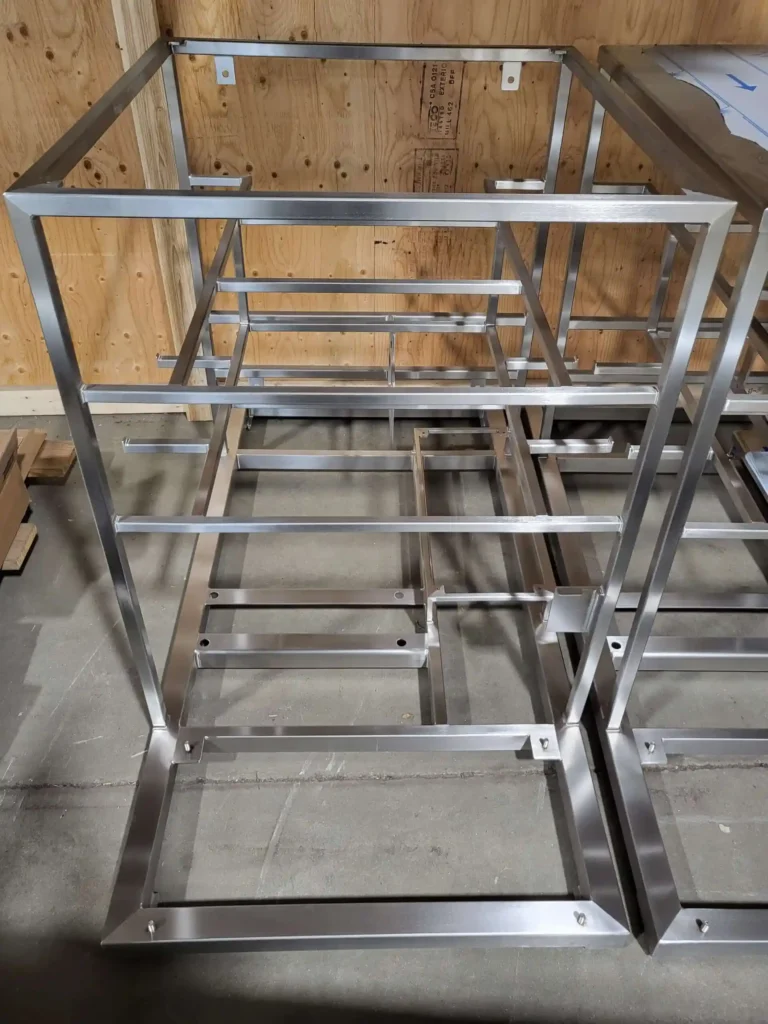
1. What the Monthly Payment Actually Looks Like
A $45,000 entry-level combo machine financed over 36 months carries a monthly payment of approximately $1,400, depending on the interest rate and the down payment. A $75,000 heavy-duty combo machine runs about $2,300 per month over the same term.
These numbers matter because they define the minimum workload the machine needs to cover its own payment. The math is simple: if the machine can generate more than its monthly payment in cutting revenue, it pays for itself.
2. The Twelve-Hour Payback Test
Consider the $45,000 machine with the $1,400 monthly payment. At a tube cutting billing rate of $120 per hour, the machine covers its entire monthly payment with just 12 hours of tube cutting work.
| Line Item | Value |
|---|---|
| Machine Price | $45,000 |
| Monthly Payment (36-month lease) | $1,400 |
| Tube Cutting Billing Rate | $120 per hour |
| Hours Needed to Cover Payment | 12 hours |
| Equivalent Workload | 3 hours per week |
Twelve hours per month. That is three hours per week. A single agricultural bracket job, or a small batch of machine frames, can fill that in an afternoon. The rest of the month, every flat sheet job and every additional tube job is profit after consumables.
This is the argument for the combo machine in its purest form. The machine payment is not a burden. It is covered by a handful of tube jobs that would otherwise be outsourced. For a deeper comparison of buying versus continuing to outsource, see our in house vs outsourcing laser cutting guide.
Ⅳ. Payback Scenarios
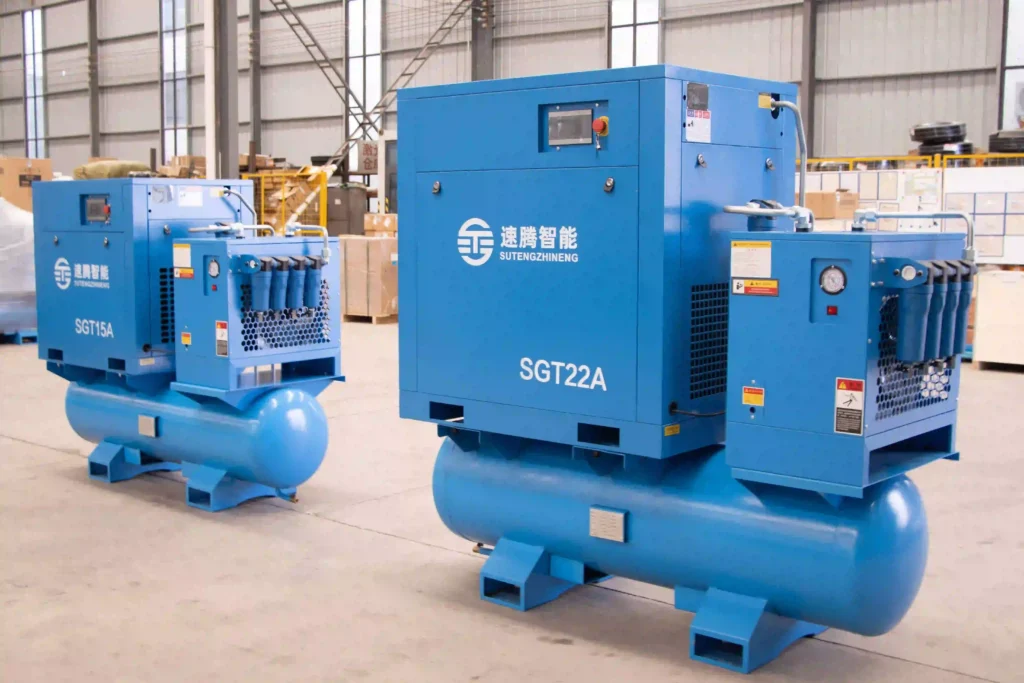
1. The Self-Use Manufacturer
A manufacturer that buys a combo machine to cut its own tube and sheet parts replaces two external costs: outsourced cutting and the labor of in-house sawing and drilling. The payback calculation starts with the avoided outsourcing bill.
If the manufacturer was spending $3,000 per month on outsourced cutting, and the machine payment is $1,400, the machine pays for itself from month one. The operating costs—power, gas, consumables—are covered by the additional savings from eliminating in-house sawing and drilling labor.
2. The Job Shop
A job shop buying the same machine must find its own work, but the tube cutting premium rate makes the search easier. A shop that fills 40 hours per month of tube cutting at $120 per hour generates $4,800 in gross revenue. That covers the machine payment, the operator, and the consumables with margin to spare.
The flat sheet work the machine also handles is incremental revenue on the same platform. A shop that runs the machine 150 hours per month across both sheet and tube work typically recovers the full purchase price in 18 to 24 months.
| Scenario | Machine Cost | Monthly Payment | Payback Period |
|---|---|---|---|
| Self-Use Manufacturer | $45,000 | $1,400 | 12–18 months |
| Mixed Job Shop (150 hrs/month) | $45,000 | $1,400 | 18–24 months |
| Heavy Combo, Two Shifts | $75,000 | $2,300 | ۱۸–۳۰ ماه |
Ⅴ. FAQ: Tube Laser Machine Price Questions
1. Why is there such a big price difference between combo machines and dedicated tube lasers?
A dedicated tube laser is built for continuous high-volume tube production. It includes automated loading systems, multiple chucks for zero-tailing, and specialized software. A combo machine adds tube capability to a standard sheet laser platform. The dedicated machine is faster for pure tube work, but the combo machine offers more flexibility for a general shop.
2. Can a $35,000 entry combo machine really cut tube well?
Yes, for the work it is designed for. An entry-level combo machine with a side-mount rotary axis cuts square and round tube up to its chuck diameter and wall thickness limits. It will not match a dedicated machine’s throughput, but for a shop cutting a few hundred tube lengths per month, it is more than adequate.
3. What other costs should I budget besides the machine price?
The main additional costs are the air compressor and dryer system, installation and rigging, operator training, and initial consumables. These typically add 10 to 20 percent to the machine price. The operating costs are dominated by assist gas, which is covered in our راهنمای هزینه گاز برش لیزری.
4. Is leasing better than buying?
Leasing preserves cash flow and keeps the upfront commitment low. The monthly payment is slightly higher over the full term, but the machine starts earning before the full purchase price is committed. For a first-time buyer, a 36-month lease with a buyout option is often the most practical path.
5. How do I quote tube cutting work to cover the machine payment?
Use the same quoting logic as flat sheet: cut length, pierce count, and material. Tube work carries a higher rate because it replaces multiple operations. The quoting framework is covered in our laser cutting quote guide.
Ⅵ. Conclusion: Price Is the Entry Point, Payback Is the Decision
The tube laser cutting machine price is the first number every buyer asks for, but it is not the number that decides the purchase. The decisive number is the monthly payment divided by the hourly billing rate. If 12 hours of tube work covers the payment, the machine is not an expense. It is a covered asset.
در WSL لیزر, we help our customers run that calculation before they commit. The price is the entry point. The payback is the decision.
مراجع
- ISO 9013: برش حرارتی — طبقهبندی برشهای حرارتی، فروشگاه وب ANSI.
- نظرسنجیهای معیارگذاری هزینه سرمایهای و کارگاه ساختانجمن سازندگان و تولیدکنندگان
- تأمین و تولید داخلیانجمن فناوری تولید





