
İçindekiler
Ⅰ. Giriş
The global automotive industry is undergoing its most profound transformation in decades. As electric vehicle (EV) production accelerates and lightweighting mandates intensify, manufacturers demand manufacturing technologies that deliver precision, speed, and sustainability at scale. Automotive laser processing solutions have emerged as the definitive answer to these challenges, offering non-contact material modification capabilities that span cutting, welding, cleaning, and marking applications across the entire vehicle lifecycle.The global laser processing market reached approximately USD 21.87 billion in 2025 and is projected to grow at a compound annual growth rate (CAGR) of 10.7%, reaching USD 36.42 billion by 2030. Within this expansion, the automotive segment commands the largest share—driven by the shift toward EV manufacturing, battery gigafactories, and ultra-high-strength steel processing. At WSLLASER, we engineer high-precision laser cutting machines, laser welding machines, and laser cleaning machines that empower automotive manufacturers to meet these evolving demands with certified reliability.
Ⅱ. Fundamentals of Industrial Laser Modalities in Automotive Engineering
Understanding how automotive laser processing solutions interact with materials at the photonic level is essential for selecting the right system configuration. Each modality operates through distinct energy-transfer mechanisms.
1. Laser Beam Machining (Cutting)
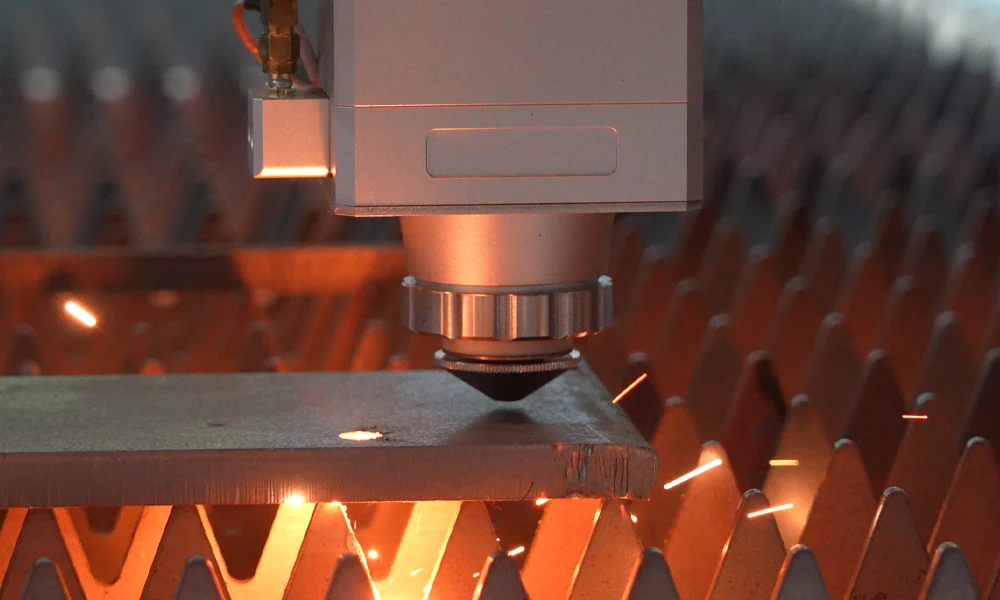
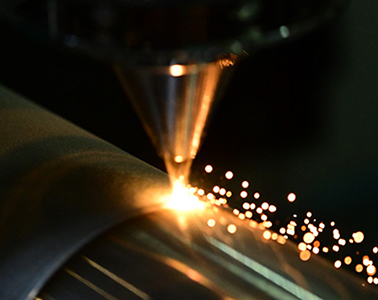
Laser beam machining delivers high-fluence focused coherent radiation coupled with assist gas dynamics to induce localized melting and rapid vaporization along programmed multi-axis trajectories. Fiber lasers have become the dominant technology in this segment, accounting for approximately 42% of the laser processing market due to their superior electrical-to-optical efficiency exceeding 30–40% and minimal maintenance requirements. In automotive applications, this translates to clean kerf edges on boron steel and aluminum alloys with minimal heat-affected zones.
2. Laser Beam Welding (Joining)
Laser beam welding utilizes high-power density thermal fusion characterized by keyhole-mode or conduction-mode energy transfer. The process produces narrow weld geometries with minimal thermal distortion—critical for maintaining dimensional accuracy in automated assembly lines. The rising EV battery manufacturing sector is particularly increasing demand for these high-precision laser technologies.
3. Laser Surface Ablation (Cleaning)
Laser surface cleaning achieves selective extraction of organic coatings, oxides, or contaminants via pulsed laser-induced thermo-elastic shockwaves and micro-vaporization without substrate ablation. Research published in SAGE Journals confirms that short-pulse laser surface cleaning significantly reduces porosity formation in aluminum alloy welding for automotive component manufacture. This non-contact approach eliminates chemical strippers and abrasive media.
4. Laser-Induced Surface Modification (Marking)
Laser marking employs high-speed localized surface oxidation, color-changing annealing, or micro-engraving to imprint permanent optical markers. These marks survive heat treatment, electrocoating, and lifetime environmental exposure—fulfilling stringent traceability mandates.
Table 1: Laser Modality Comparison for Automotive Applications
| Laser Modality | Primary Mechanism | Key Automotive Application | Material Compatibility | Avantaj |
|---|---|---|---|---|
| Lazer Kesim | Photothermal vaporization + assist gas | BIW trimming, exhaust profiling | UHSS, AHSS, aluminum | Minimal HAZ, high speed |
| Laser Welding | Keyhole/conduction-mode fusion | Battery busbars, body seams | Copper, aluminum, steel | Low distortion, deep penetration |
| Laser Cleaning | Pulsed ablation + thermo-elastic shock | Pre-weld preparation, paint removal | Steel, aluminum, coatings | Zero consumables, no substrate damage |
| Laser Marking | Surface oxidation/micro-engraving | VIN, DataMatrix, QR codes | Metals, plastics, ceramics | Permanent, tamper-proof |
Ⅲ. Body-in-White (BIW) and Structural Lightweighting
Vehicle lightweighting remains a central strategy for improving fuel efficiency and extending EV range. Automotive laser processing solutions enable manufacturers to process advanced materials that conventional mechanical tools cannot handle effectively.
1. 3D Laser Trimming of Ultra-High-Strength Steels (UHSS/AHSS)
Hot-stamped boron steels—used in A-pillars, B-pillars, and bumper beams—exhibit tensile strengths exceeding 1,500 MPa, causing rapid abrasive wear in conventional mechanical dies. 3D laser trimming systems navigate complex contours with tight dimensional repeatability, eliminating tooling changeover delays. In April 2026, TRUMPF developed a new laser solution specifically for hot-formed automotive components, utilizing advanced cutting nozzles and beam shaping technology to reduce cutting costs and improve productivity.
2. Laser Brazing and Structural Seam Welding
Aesthetic seam brazing on vehicle roofs, trunk lids, and exterior panels achieves smooth, liquid-tight surfaces that eliminate sealants and roof moldings. High-speed remote laser welding of door assemblies and floor pans maximizes torsional rigidity while reducing structural weight. The European market has particularly accelerated adoption of these technologies in response to lightweight vehicle mandates and carbon emission reduction targets.
Ⅳ. E-Mobility and Powertrain Manufacturing
The electrification of transportation has created entirely new manufacturing challenges that automotive laser processing solutions are uniquely positioned to solve.
1. Precision Joining of EV Battery Systems
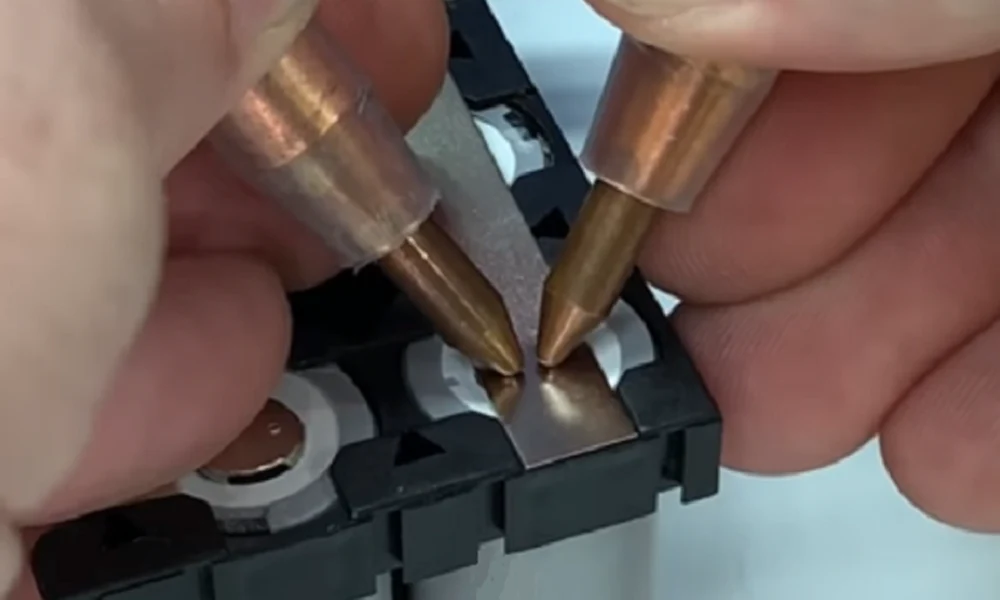
Keyhole laser welding of battery busbars, tab-to-terminal connections, and prismatic/cylindrical cell cans demands exceptional control over highly reflective and thermally conductive materials. Copper-to-aluminum dissimilar metal welds require tailored wavelengths and wobble-head optics to manage metallurgical incompatibility. The global expansion of EV battery gigafactories—ranging from 20 to 100 GWh per plant—is directly facilitating the adoption of laser welding and micro-processing technology.
2. E-Motor Hairpin Stator Welding
Hairpin stators achieve slot fill factors of 60% to 80% compared to 35% to 45% for conventional round-wire windings, resulting in superior heat dissipation and higher power output per unit weight. However, autogenous welding of copper hairpins is challenging due to copper’s high thermal conductivity and low absorptivity to infrared laser light. Recent research published in the Journal of Materials Research and Technology demonstrates that blue diode lasers significantly improve copper absorption to approximately 60%, enabling stable conduction-mode welds with mechanical strength reaching 210–260 N and electrical contact resistance as low as 30–38 μΩ.
3. Laser Cleaning for Battery Cell Assembly
High-precision removal of insulating foils and surface oxide layers prior to welding and adhesive bonding ensures zero residue and complete electrical continuity in high-voltage battery enclosures. Fiber laser cleaning systems have emerged as the dominant technology for these applications due to their high efficiency, excellent beam quality, and compatibility with automated production lines.
Ⅴ. Component-Level Processing, Precision Cleaning, and Traceability
Beyond primary structural and powertrain applications, automotive laser processing solutions deliver critical value in component finishing and regulatory compliance.
1. Pre- and Post-Process Laser Cleaning
Selective pre-weld surface decontamination of transmission gears, brake components, and aluminum die-cast housings eliminates weld porosities. Post-braze cleaning and paint preparation proceed without chemical solvents or abrasive grit blasting—aligning with OEM carbon-neutral mandates. The non-contact nature of laser cleaning prevents micro-damage that could lead to stress concentration points and premature failure in safety-critical components.
2. Direct Part Marking (DPM) for IATF 16949 Compliance
Traceability of safety-critical components is a regulatory requirement under IATF 16949 standards. Laser marking creates a digital fingerprint for each component, enabling manufacturers to track parts from production through assembly and into finished vehicles. High-contrast 2D DataMatrix, QR, and alphanumeric VIN serialization applied directly to engine blocks, chassis components, and semiconductor sensors remain readable through heat treatment, electrocoating, and lifetime environmental exposure.
3. Hydroformed Tube and Exhaust Processing
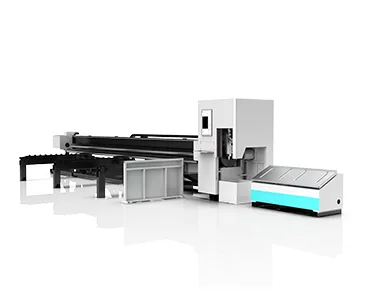
Multi-axis profiling and bracket hole generation for complex catalytic converters, exhaust manifolds, and tubular chassis sub-frames leverage 5-axis laser cutting systems. These processes accommodate the intricate geometries demanded by modern exhaust after-treatment systems and lightweight tubular structures.
Table 2: Automotive Component Applications and Recommended Laser Systems
| Application Area | Process Type | Recommended Laser Type | Key Benefit |
|---|---|---|---|
| Battery busbar welding | Keyhole welding | Fiber laser + wobble optics | Dissimilar metal joining |
| Hairpin stator welding | Conduction-mode | Blue diode / hybrid laser | High copper absorption |
| Brake disc marking | Annealing / engraving | Pulsed fiber laser | IATF 16949 compliance |
| UHSS body trimming | Fusion cutting | High-power fiber laser | Complex contour capability |
| Pre-weld cleaning | Pulsed ablation | MOPA fiber laser | Zero consumables |
| Exhaust tube profiling | 3D cutting | Multi-axis CO₂/fiber | Complex geometry handling |
Ⅵ. Process Control, Quality Assurance, and System Integration
The integration of automotive laser processing solutions into smart manufacturing ecosystems defines the next frontier of production efficiency.
1. Real-Time In-Line Quality Monitoring
Optical seam tracking, plasma monitoring, and pyrometric weld depth control systems enable 100% in-situ verification in high-volume production cells. These sensor fusion technologies detect defects at the millisecond level, preventing downstream assembly of non-conforming components.
2. Total Cost of Ownership (TCO) & Sustainability Metrics
Laser systems reduce physical consumables—including saw blades, drill bits, filler wires, and chemical strippers—while delivering lower energy consumption per unit compared to submerged arc or plasma processes. The Asia-Pacific region leads global adoption, with China alone projected to represent approximately 24.7% of global laser processing equipment sales in 2026.
3. Robotic Cell and Industry 4.0 Compatibility
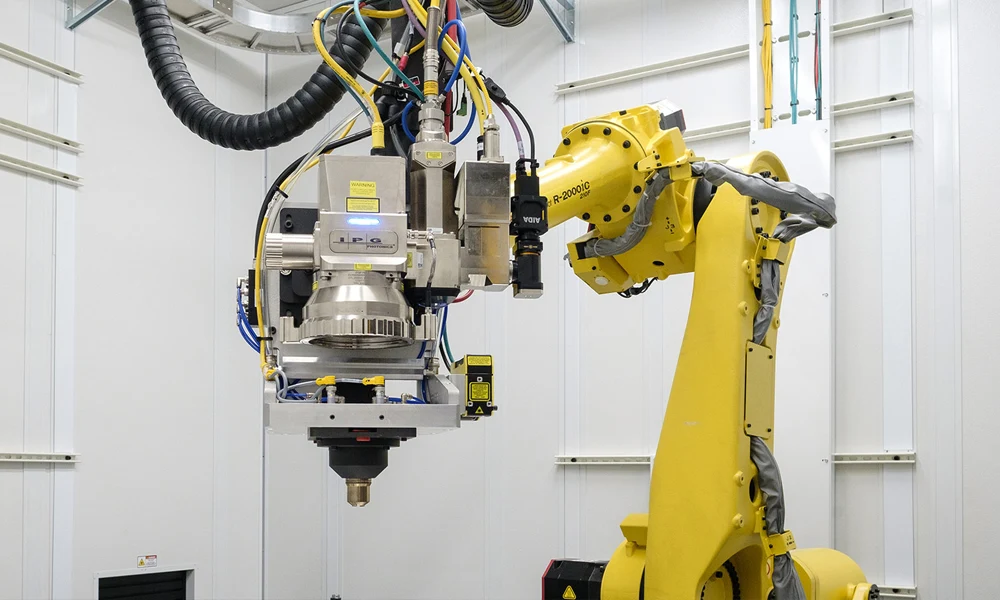
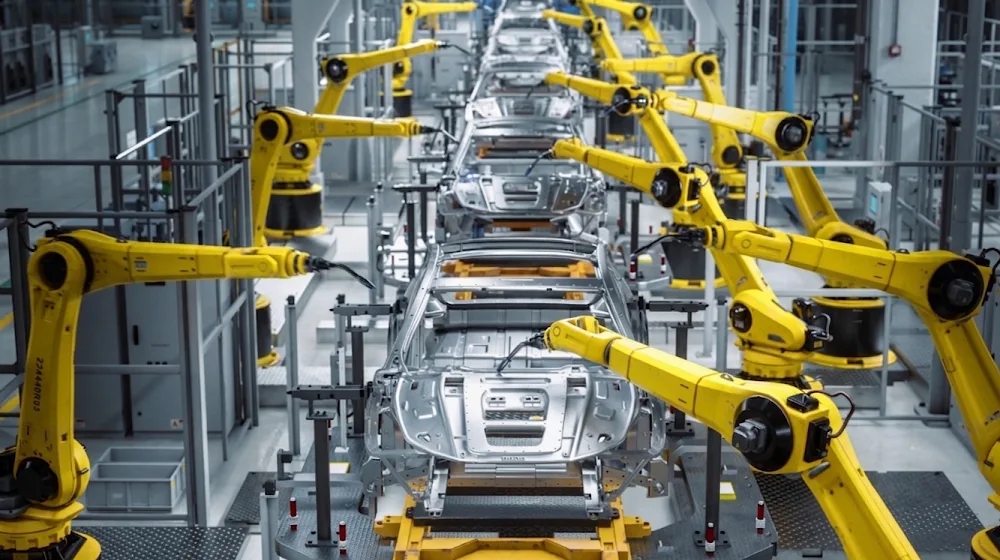
Seamless interfacing with standard automotive fieldbus architectures, robotic arms, and Manufacturing Execution Systems (MES) enables automated batch data logging and predictive maintenance. TRUMPF’s entry into complete automated solutions for 3D laser material processing—integrating cutting, welding, and quality control into unified production platforms—exemplifies this trajectory.
Table 3: TCO Comparison—Laser Processing vs. Conventional Methods
| Maliyet Faktörü | Conventional Methods | Automotive Laser Processing Solutions |
|---|---|---|
| Tooling / consumables | High (dies, bits, chemicals) | Minimal (no contact tools) |
| Energy per unit | Moderate to high | Lower than plasma/submerged arc |
| Rework rate | 3–8% | <1% with in-line monitoring |
| Setup changeover time | Hours (die changes) | Minutes (program switch) |
| Environmental compliance | Chemical disposal costs | Zero effluent |
| Maintenance interval | Frequent tool replacement | 7–10 year system lifecycle |
Ⅶ. FAQ
Q1: What makes automotive laser processing solutions superior to mechanical cutting for ultra-high-strength steels?
Mechanical dies suffer rapid abrasive wear when processing hot-stamped boron steels above 1,500 MPa tensile strength. Laser cutting eliminates physical contact, removes tooling wear entirely, and navigates complex 3D contours with software-programmable trajectories—delivering consistent repeatability across millions of cycles.
Q2: Can laser welding reliably join dissimilar metals like copper and aluminum in EV batteries?
Yes. Advanced fiber laser systems equipped with wobble-head optics and tailored wavelengths can manage copper-to-aluminum dissimilar metal welds. Blue diode laser technology has demonstrated copper absorption rates up to 60%, enabling stable conduction-mode welds with minimal spatter and excellent electrical conductivity.
Q3: How does laser marking ensure compliance with IATF 16949 traceability requirements?
Laser marking produces permanent, tamper-proof identifiers including 2D DataMatrix and QR codes that survive heat treatment, electrocoating, and environmental exposure. These digital fingerprints link each component to centralized MES/ERP databases, enabling instantaneous recall management and audit documentation.
Q4: Are laser cleaning systems environmentally compliant for automotive manufacturing?
Absolutely. Laser cleaning eliminates chemical solvents, abrasive media, and secondary waste disposal. The process relies solely on photonic energy transfer, producing no effluent while maintaining substrate integrity—directly supporting OEM carbon-neutral production mandates.
Q5: What is the typical return on investment for integrating laser processing into existing automotive lines?
While initial capital expenditure varies by application, the elimination of consumables, reduction in rework rates from 3–8% to below 1%, and 7–10 year system lifecycles typically generate full ROI within 18–36 months for high-volume production environments.
Ⅷ. Conclusion
Automotive laser processing solutions represent the convergence of precision engineering, material science, and smart manufacturing. From 3D trimming of ultra-high-strength steels in body-in-white assembly to zero-porosity hairpin stator welding in EV powertrains, these technologies address the automotive industry’s most demanding challenges. As the global laser processing market accelerates toward USD 36.42 billion by 2030, manufacturers who integrate cutting, welding, cleaning, and marking capabilities into unified Industry 4.0-compatible cells will secure decisive competitive advantages. At WSLLASER, our fiber laser cutting machines, laser welding machines, and laser cleaning machines are engineered to deliver exactly this transformative capability—backed by 17 years of manufacturing excellence and CE/ISO-certified quality assurance.