

The appeal of a used fiber laser cutting machine is obvious. The sticker price is lower, the machine is available immediately, and the technology is proven. For a shop with a limited budget, a used machine seems like the fastest path to adding laser cutting capability.
The appeal is real, but it is also incomplete. A used fiber laser cutting machine carries costs that do not appear on the listing. The laser source has degraded. The control system may be obsolete. The mechanical components have worn. And the warranty, if there is one, may not cover the parts most likely to fail.
This article explains what a used machine actually costs over three years, and why a new machine at a similar price point often delivers a lower total cost of ownership. At WSL Laser, we help buyers compare the two paths with real numbers, not sales talk.
Ⅰ. The Price Reality of Used Laser Cutting Machines
1. Why Used Machines Are Cheap
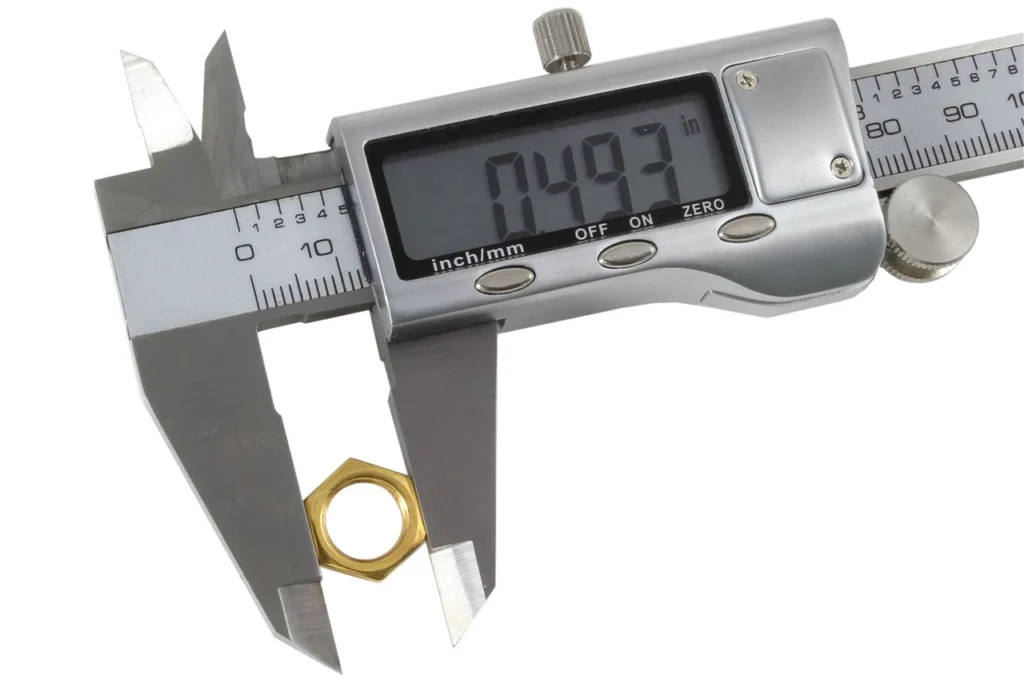
A used fiber laser cutting machine is cheap for a reason. The machine has already consumed part of its service life. The laser source has accumulated operating hours. The guide rails and gear racks have worn. The control system is one or two generations behind the current model.
When browsing listings for a used laser cutting machine for sale, the upfront sticker price is deceptive. It reflects the seller’s estimate of what the machine is worth in its current condition. It does not reflect what the buyer will spend to keep the machine running and accurate, especially when compared against the benchmark figures in our fiber laser cutting machine price guide.
2. What the Listing Does Not Show
The listing shows the laser power, the bed size, and the year of manufacture. It does not show the actual measured power output of the laser source. It does not show the maintenance history, the number of protective window replacements, or the condition of the guide rails. It does not show whether the control software has been updated.
These unknowns are the real cost of buying used. The buyer is purchasing a machine with hidden liabilities, and the seller has no incentive to disclose them.
Ⅱ. Laser Source Degradation: The Hidden Depreciation
1. The Physics of Diode Aging
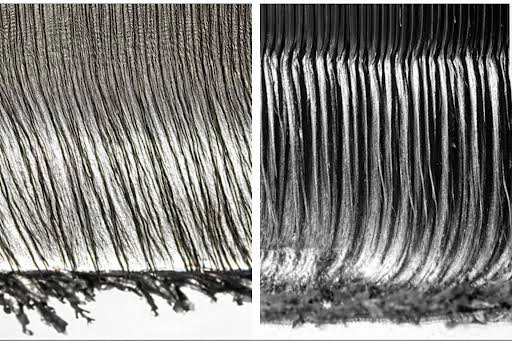
A fiber laser source uses diode pumps to energize the fiber. These diodes degrade over time. The degradation is slow but cumulative. Industry data suggests that a fiber laser loses 1 to 3 percent of its output power per year of normal operation.
A 3kW machine that has been in service for seven years may produce only 2,400W of actual cutting power. The machine still cuts thin material, but the performance on thick plate is significantly reduced. The cut speed drops, the dross increases, and the edge quality degrades.
2. The Cost of Repair or Replacement
When a laser source fails, the repair cost is substantial. Replacing a diode module or the entire source can cost $6,000 to $15,000, depending on the manufacturer and the machine model. If the machine is out of warranty, this cost falls entirely on the buyer.
The unexpected repair bill can erase the entire price advantage of buying used. A machine that saved $10,000 on the purchase price can consume that savings in a single source repair. The full cost of operating a laser machine is covered in our laser cutting gas cost guide, and the source is the largest single component.
| Machine Age | Typical Power Loss | Effective Output (from 3kW) | Impact on Cutting |
|---|---|---|---|
| 0–3 years | 1–3% per year | 2,700–2,900W | Minimal |
| 4–6 years | 1–3% per year | 2,500–2,700W | Noticeable on thick plate |
| 7–10 years | 1–3% per year | 2,200–2,500W | Significant; thick plate cutting compromised |
Ⅲ. Control System Obsolescence
1. Why Software Matters
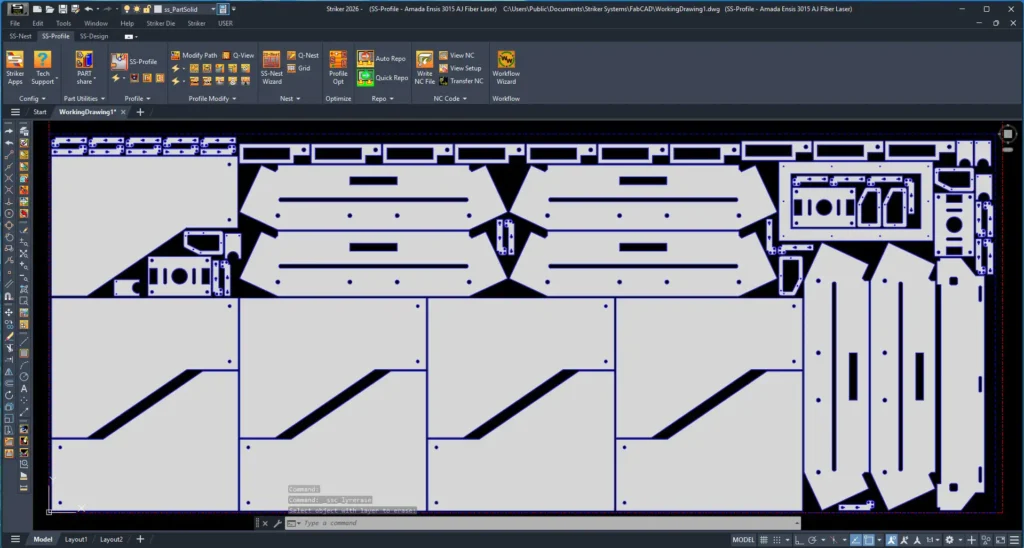
The control system determines what the machine can do. Modern controllers include features like automatic nesting, fly cutting, and intelligent piercing. These features are not just conveniences. They reduce material waste and increase throughput.
An older control system may lack these features. It may not support the latest nesting algorithms, which can leave 5 to 8 percent more material waste per sheet. Over a year of production, that waste adds up to thousands of dollars in material cost.
2. The Upgrade Problem
Control system upgrades are not always available for discontinued models. If the manufacturer has stopped supporting the controller, the machine is frozen at its current capability. The buyer cannot add new features or improve the performance.
For a production shop, this limitation is significant. The machine that was competitive when it was new may be uncompetitive today, and there is no path to upgrade it.
Ⅳ. Mechanical Wear and Backlash
1. Guide Rail and Gear Rack Wear
The guide rails and gear racks wear over time. The wear is gradual, but it is measurable. The result is backlash: a small gap between the drive components that translates into positional error.
Backlash shows up on the part as dimensional inaccuracy. Circles become slightly elliptical. Corners become slightly rounded. On a machine with significant wear, the error can reach 0.1 to 0.3mm, which is enough to fail the tolerance on precision parts.
2. The Cost of Realignment
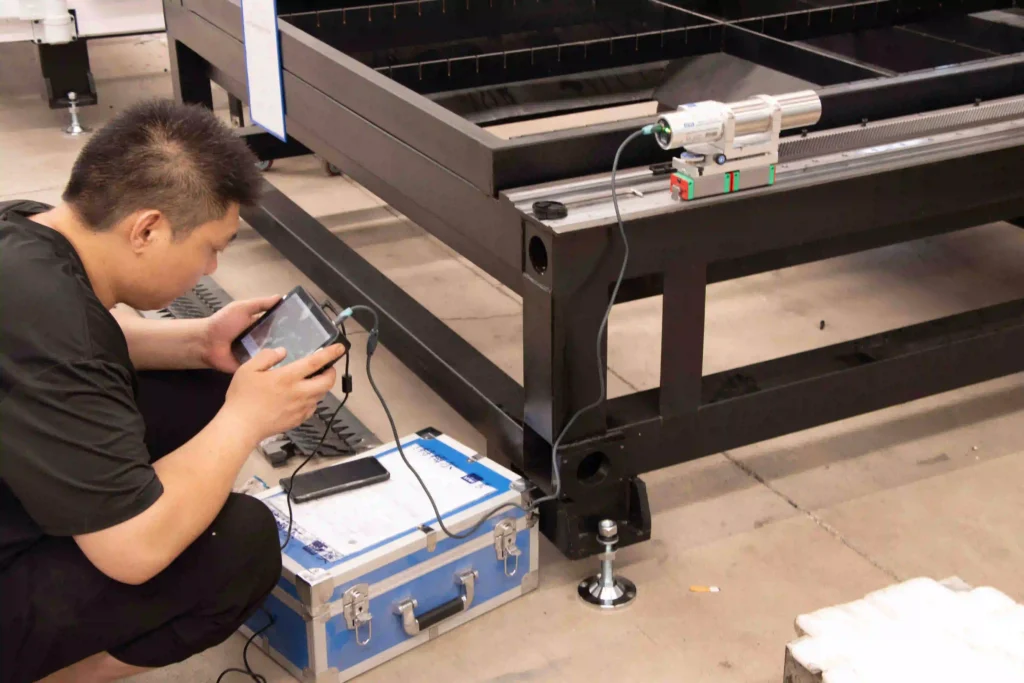
Correcting mechanical wear is not a simple adjustment. The guide rails may need to be replaced. The gear rack may need to be re-tensioned or replaced. The bed may need to be re-leveled and the rails re-aligned using a laser interferometer.
The cost of this work is typically $2,500 to $4,000 for a mid-size machine, plus the downtime while the work is performed. The machine is out of production for several days, and the shop loses the revenue it would have generated.
| Wear Component | Typical Replacement Cost | Downtime |
|---|---|---|
| Guide Rails and Blocks | $1,500 – $2,500 | 2–3 days |
| Gear Rack and Pinion | $800 – $1,200 | 1–2 days |
| Laser Interferometer Realignment | $500 – $1,000 | 1–2 days |
Ⅴ. The Three-Year Total Cost of Ownership
1. The Comparison Table
The table below compares the three-year total cost of ownership for a used machine and a new machine. The figures are based on market data and typical maintenance costs.
| Cost Component (3-Year Timeline) | Used Imported Machine (6–8 Years Old, 3kW) | New WSL Fiber Laser Machine (3kW/6kW) |
|---|---|---|
| Initial Purchase Price | $22,000 – $28,000 (appears cheaper) | $26,000 – $35,000 (new with warranty) |
| Dismantling, Transport, Reinstallation | $3,500 – $5,000 (requires third-party engineer) | Standard factory packaging, guided installation |
| Laser Source and Optical Repairs | $6,000 – $12,000 (high failure probability) | $0 (covered by warranty) |
| Mechanical Wear Parts (rails, blocks) | $2,500 – $4,000 | $0 (new machine break-in period) |
| Downtime Loss | Estimated 10–20 days per year (waiting for discontinued parts) | Zero unplanned downtime risk, standard parts available |
| Software and Control Limitations | Cannot upgrade to latest nesting algorithms; 5–8% material waste | Latest nesting and fly cutting standard |
| 3-Year Total Cost | $45,000 – $60,000+ | $30,000 – $38,000 |
2. Why the New Machine Wins
The new machine costs more on the invoice. But the used machine costs more in operation. The laser source repairs, the mechanical replacements, the downtime, and the material waste together exceed the price difference between the two machines.
For a shop that values uptime and predictable operating costs, the new machine is the better investment. For a shop that is willing to accept downtime and manage repairs, the used machine may still be a reasonable choice. The key is to make the decision with the full cost picture in view, not just the sticker price.
The full comparison of buying new versus continuing to outsource is covered in our in-house vs outsourcing laser cutting guide.
Ⅵ. FAQ: Used Fiber Laser Cutting Machine Questions
1. Is a used fiber laser cutting machine worth buying?
It depends on the machine age, the maintenance history, and the buyer’s tolerance for downtime. A used machine from a reputable source with a documented service history and a recent power test can be a reasonable purchase. A used machine with unknown history and no warranty is a gamble.
2. How do I check the laser source condition on a used machine?
The most reliable method is a power test. A service engineer can measure the actual output power at the cutting head and compare it to the rated power. If the measured power is below 85 percent of the rated value, the source has degraded significantly, and the repair cost should be factored into the purchase decision.
3. What is the biggest risk of buying a used fiber laser machine?
The laser source. It is the most expensive component, it degrades over time, and the failure mode is sudden. A source that works during the inspection can fail within weeks, and the repair cost can exceed the purchase price difference between the used and new machine.
4. Can I upgrade the control system on a used machine?
In most cases, no. Control system upgrades are generally available only for current models. If the manufacturer has discontinued support for the controller, the machine is frozen at its current capability.
5. What should I check before buying a used machine?
Check the laser source power output with a test, inspect the guide rails and gear racks for wear, verify the control system version and software support status, and request the maintenance history. A machine that passes all four checks is a safer purchase.
Ⅶ. Conclusion: The Cheaper Machine Is Not Always the Cheaper Investment
A used fiber laser cutting machine is not automatically a bad purchase. But it is not automatically a bargain either. The purchase price is only the first cost. The laser source, the control system, and the mechanical components all carry their own costs, and those costs often exceed the price difference between used and new.
At WSL Laser, we help buyers compare the two paths with real numbers. The cheapest machine is not the one with the lowest sticker price. It is the one with the lowest total cost of ownership over its service life.
References
- ISO 230-2: Test code for machine tools — Determination of accuracy and repeatability of positioning of numerically controlled axes, ANSI Webstore.
- IEC 60825-1: Safety of laser products — Part 1: Equipment classification and requirements, ANSI Webstore.
- Capital Spending and Fabrication Shop Benchmarking Surveys, Fabricators and Manufacturers Association.





