

Searching for a fiber laser cutting machine for sale is easy. Choosing the right one is hard. The market is full of machines with similar specifications and very different prices, and the sales literature rarely explains which configuration actually fits your production. This article is not about how much a machine costs. It is about which machine to buy once you have a budget.
At WSL Laser, we help buyers match machine specifications to their actual production profile. The right machine is the one that fits the work, not the one with the most impressive spec sheet.
Ⅰ. Define Your Production Before You Look at Machines
1. Three Questions That Determine Everything
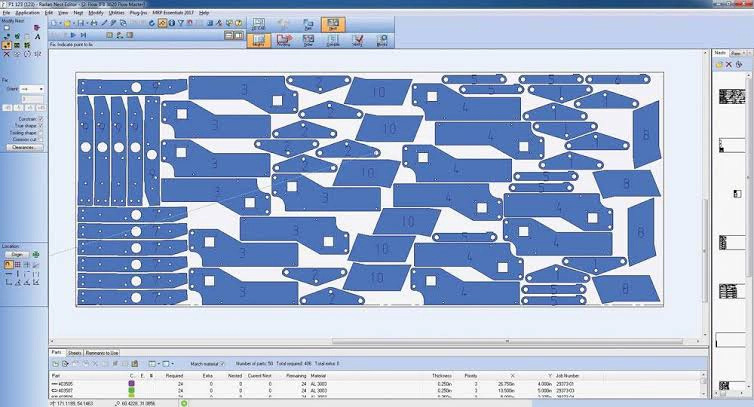
Before comparing machines, answer three questions. What material do you cut most often? What thickness range represents 80 percent of your volume? How many hours per month will the machine run?
The answers determine the power class, the bed size, and the automation level. A shop cutting 1–3mm galvanized steel for HVAC components needs a different machine than a shop cutting 12–20mm carbon steel for structural fabrication. The specifications are not interchangeable, and the price difference reflects that.
2. Matching the Machine to the Business
| Business Profile | Typical Material & Thickness | Recommended Power | Recommended Bed |
|---|---|---|---|
| HVAC and light sheet | Galvanized 0.8–2.0 mm | 1.5–3 kW | 3015 |
| General job shop | Carbon steel 1–10 mm | 3–6 kW | 3015 / 4020 |
| Structural fabrication | Carbon steel 8–20 mm | 6–12 kW | 4020 / 6025 |
| Mixed plate and tube | Plate plus square tube | 3–6 kW | 3015 combo |
The machine that matches the 80 percent of your work is the machine that earns its keep. The occasional thick plate job can be outsourced or cut slowly. Buying power for the exception is the most common purchasing mistake in this industry.
Ⅱ. Power Selection: The Biggest Decision
1. What Each Power Class Actually Does
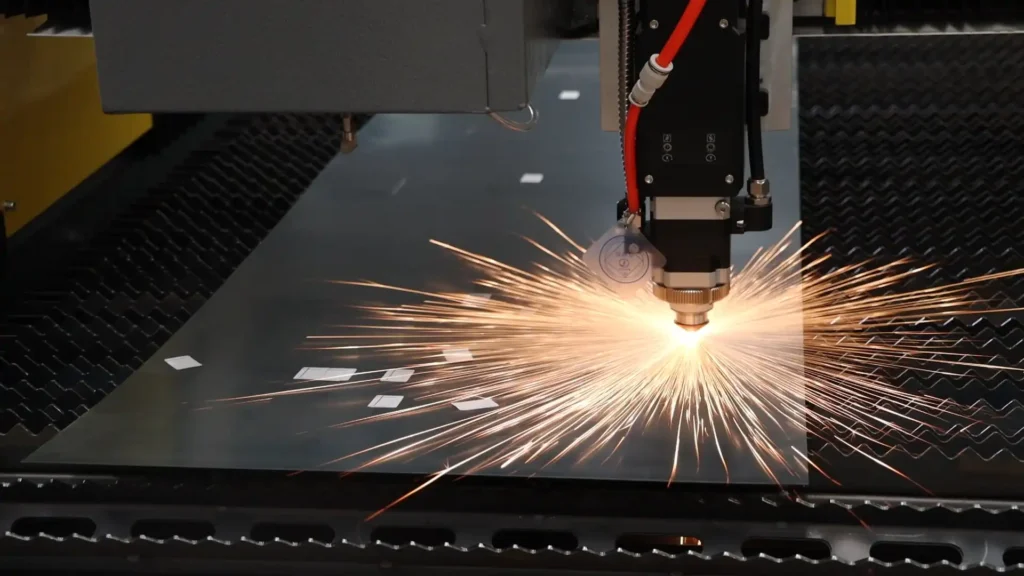
A 1.5kW to 2kW machine is a thin-gauge specialist. It cuts 1mm carbon steel fast and clean, and handles up to 6mm at reduced speed. It is ideal for shops whose work is almost entirely thin sheet.
A 3kW machine is the general-purpose workhorse. It cuts 1mm to 12mm carbon steel at production speeds and handles most job shop work. A 6kW machine extends the range to 20mm and doubles the cutting speed on 8–16mm plate. A 12kW machine is built for heavy plate and high-speed air cutting, and it is the right choice only when thick material is a regular part of production.
2. When Higher Power Does Not Help
On thin sheet, higher power does not translate into proportionally higher speed. A 3kW and a 6kW machine cut 1mm carbon steel at similar speeds because the limiting factor is machine acceleration, not available laser energy. If your work is concentrated under 3mm, the extra power is wasted capital.
The full price comparison across power classes is covered in our fiber laser cutting machine price breakdown.
Ⅲ. Bed Size: Match the Machine to Your Material
1. The Standard Sizes
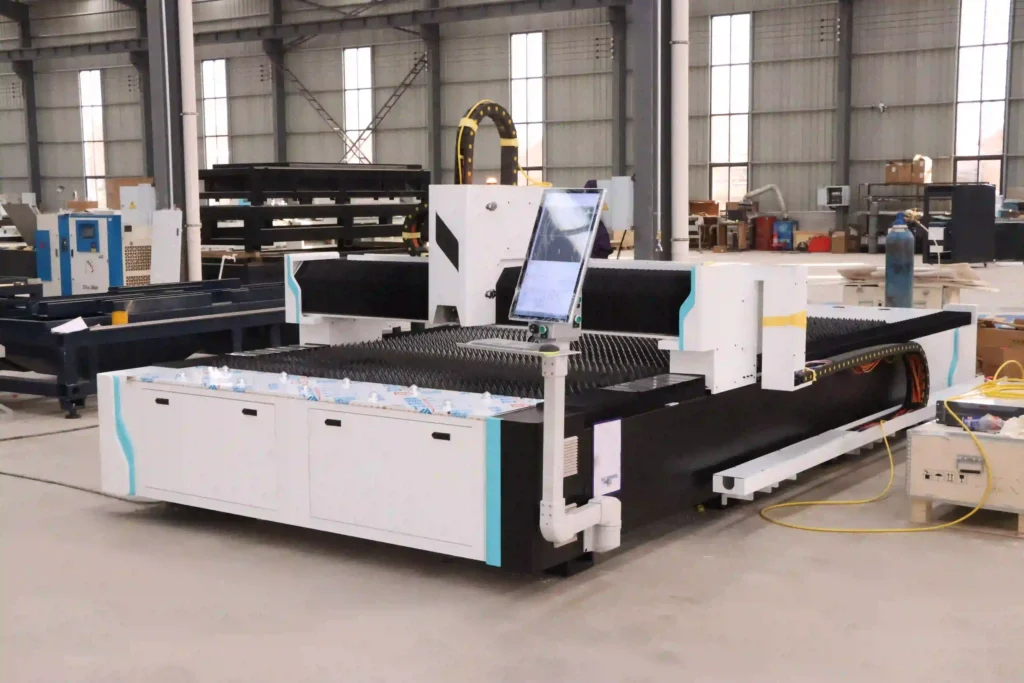
The 3015 bed (3m × 1.5m) matches the standard sheet size in most markets and is the most common configuration for general fabrication. The 4020 bed (4m × 2m) accommodates larger sheets and improves nesting efficiency on larger parts. The 6025 bed (6m × 2.5m) is used for long structural components and large plate work.
2. When a Larger Bed Pays Off
A larger bed increases material utilization because more parts fit on each sheet. It also reduces the frequency of sheet loading, which matters in high-volume production. But a larger bed costs more, takes more floor space, and requires more powerful material handling equipment.
| Bed Size | Sheet Compatibility | Best For | Space Requirement |
|---|---|---|---|
| 3015 | 3m × 1.5m standard sheet | General fabrication, small to mid parts | Compact |
| 4020 | 4m × 2m large sheet | Larger parts, better nesting | Moderate |
| 6025 | 6m × 2.5m plate | Long structural components | Large |
If the shop primarily cuts small parts that nest well on a 3015 sheet, the larger bed adds cost without adding throughput. If the shop regularly handles long components or large plates, the 4020 or 6025 bed eliminates repositioning and improves material yield.
Ⅳ. Where to Spend the Extra $15,000
1. The Configuration Allocation Decision
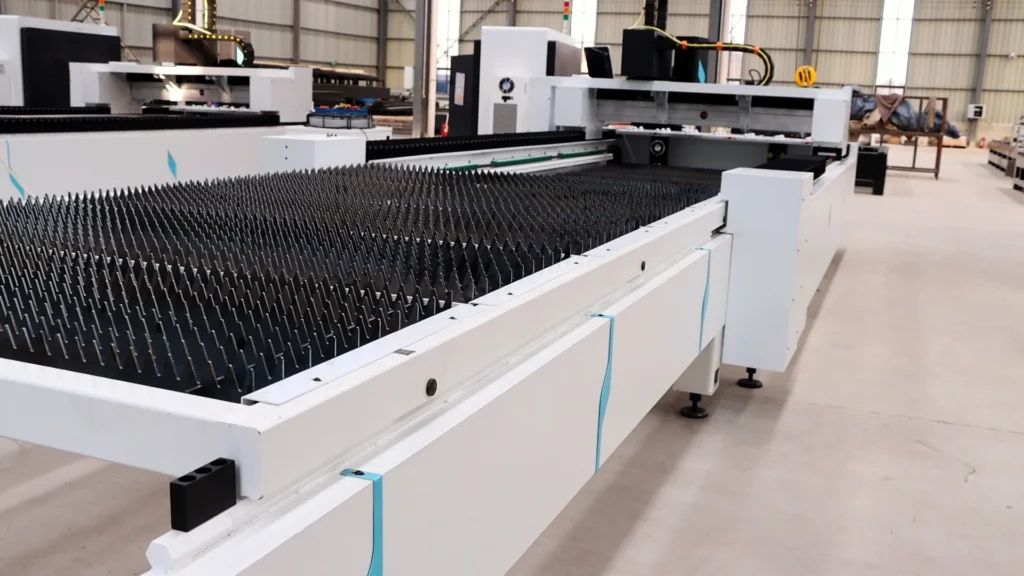
A buyer with a fixed budget often faces a choice: spend the extra money on power, on bed size, or on automation. Each choice delivers a different return, and the right answer depends on the production profile.
| Upgrade Direction | Additional Cost | Best For | Return |
|---|---|---|---|
| Power (3kW → 6kW) | +$12,000 – $16,000 | Shops cutting 8–16 mm regularly | Cutting speed doubles on mid-thickness plate; compressed air replaces nitrogen |
| Bed Size (3015 → 4020) | +$8,000 – $12,000 | Shops with large or non-standard parts | Nesting utilization improves 8–12%; sheet loading frequency drops |
| Exchange Table or Tube Axis | +$8,000 – $14,000 | Shops with mixed orders or plate-plus-tube work | Eliminates 30% of loading wait time; one machine serves two product lines |
2. How to Choose
If the shop cuts 8–16mm carbon steel regularly, the power upgrade delivers the fastest return. If the shop handles large or awkward parts, the bed upgrade reduces material waste. If the shop runs short runs with frequent changeovers, or cuts both plate and tube, the automation upgrade keeps the machine productive.
The wrong choice is spending the budget on a configuration that does not match the work. A 12kW machine on a 3015 bed cutting 2mm sheet all day is an expensive mistake. The right configuration is the one that matches the production profile, not the one with the highest specification.
For shops that cut tube as well as plate, the combination machine may be the better investment. The full comparison is covered in our tube laser cutting machine price guide.
Ⅴ. Fiber Laser Cutting Machine for Sale: New vs. Used Evaluation
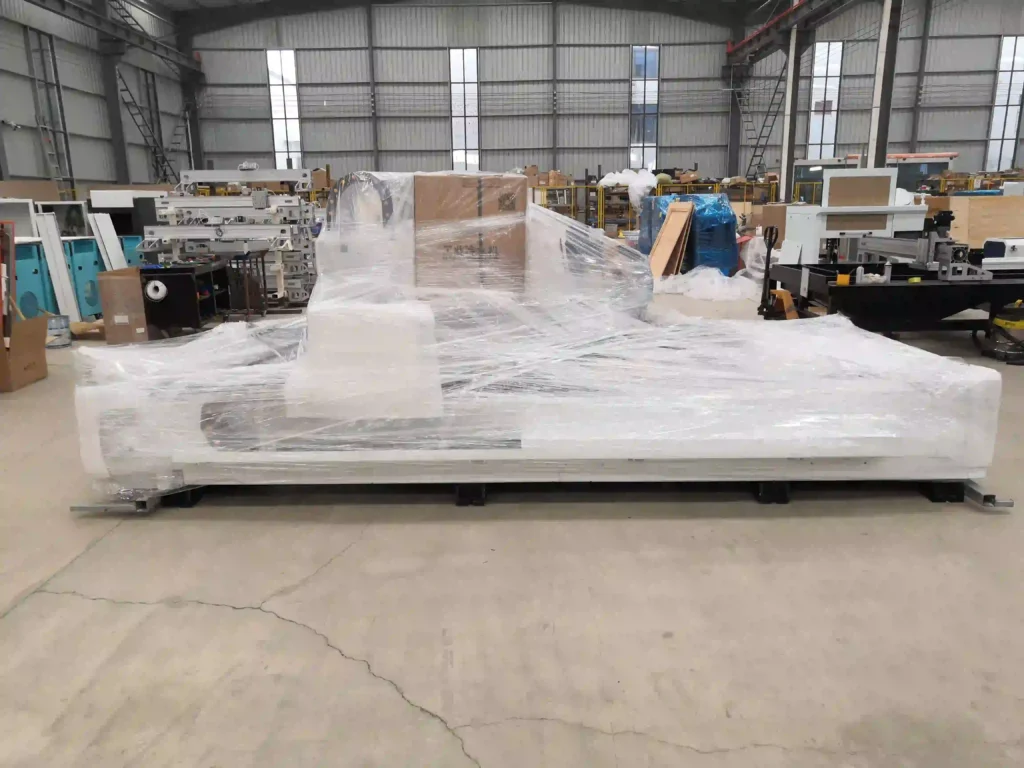
1. The Hidden Risks of Buying Used
Searching for a fiber laser cutting machine for sale often brings up used machines at attractive prices. The lower price is real, but so are the risks.
The first risk is laser source degradation. A used fiber laser module with thousands of operating hours may produce only 70 to 80 percent of its rated power. The machine still cuts, but not at the speed or thickness the original specification promised.
The second risk is control system obsolescence. Older control boards may not support modern piercing algorithms or high-speed cutting routines. Software upgrades are often unavailable for discontinued models, and without them, the machine cannot match the performance of a current machine.
The third risk is mechanical wear. A machine bed that was not properly stress-relieved during manufacturing may have deformed over years of service. Realigning the guide rails and replacing worn components can cost more than the price difference between the used machine and a new one.
2. When New Makes More Sense
A new machine comes with a warranty, a documented performance specification, and manufacturer support. For a first-time buyer or a shop replacing an older machine, the new machine is usually the lower-risk purchase, even when the sticker price is higher.
For a buyer comparing the two, the decision framework is the same as the one in our in-house vs outsourcing laser cutting guide: compare total cost and total risk, not just the purchase price.
Ⅵ. FAQ: Buying a Fiber Laser Cutting Machine
1. What should I check first when buying a fiber laser cutting machine?
Start with your production profile: the material, the thickness range that represents 80 percent of your work, and the hours per month the machine will run. These three numbers determine the power class, the bed size, and the automation level. Everything else is secondary.
2. Is a used fiber laser cutting machine a good deal?
Sometimes, but the risks are significant. Laser source degradation, control system obsolescence, and mechanical wear can turn a low purchase price into a high total cost. A used machine from a reputable source with a documented service history and a recent power test is safer than one with unknown history.
3. How much should I budget for the machine and the supporting equipment?
The machine itself is the largest cost, but budget an additional 10 to 20 percent for the air compressor and dryer system, installation, training, and initial consumables. The assist gas cost is ongoing and is covered in our laser cutting gas cost guide.
4. Should I buy a machine with an exchange table?
An exchange table adds $8,000 to $12,000 to the price, but it increases effective cutting time by 30 to 40 percent by eliminating loading waits. For a shop running multiple shifts or short-run production, the exchange table pays for itself quickly. For a single-shift shop with predictable work, a fixed table may be sufficient.
5. What is the most common mistake when buying a fiber laser machine?
Buying for the exception rather than the rule. A shop that cuts 2mm sheet 90 percent of the time does not need a 12kW machine for the occasional 20mm plate job. Matching the machine to the 80 percent of production is the single most important purchasing decision.
Ⅶ. Conclusion: Buy the Machine That Fits the Work
A fiber laser cutting machine for sale is not a commodity. The machine that fits your production profile is worth more than a cheaper machine that does not. Start with the material, the thickness, and the volume. Let those three numbers define the power, the bed, and the automation. Then compare prices.
At WSL Laser, we help buyers match the machine to the work before the purchase order is signed. The right machine is the one that fits, not the one that impresses.
References
- ISO 9013: Thermal cutting — Classification of thermal cuts, ANSI Webstore.
- Capital Spending and Fabrication Shop Benchmarking Surveys, Fabricators and Manufacturers Association.
- Sourcing and In-House Manufacturing, Association for Manufacturing Technology.





