
Modern HVAC sheet metal fabrication operates on notoriously tight margins.For decades, shops have relied on shearing, plasma, and traditional punch presses to cut galvanized steel. However, these legacy processes introduce significant hidden costs: shearing produces micro-cracks and burrs that require deburring, while plasma cutting creates an oxidized, blackened edge that destroys the zinc coating.
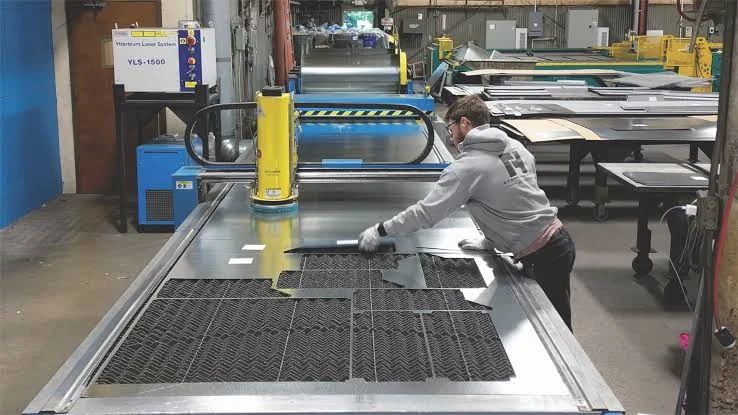
Fiber laser cutting has changed the economic model of HVAC sheet metal fabrication. By producing a high-speed, burr-free edge with minimal heat input, lasers protect the galvanized zinc layer. Combined with advanced nesting software and continuous coil-fed systems, modern fabricators are drastically reducing their cost per meter and material waste. This guide breaks down the engineering and financial ROI of transitioning to a fiber laser for ductwork.
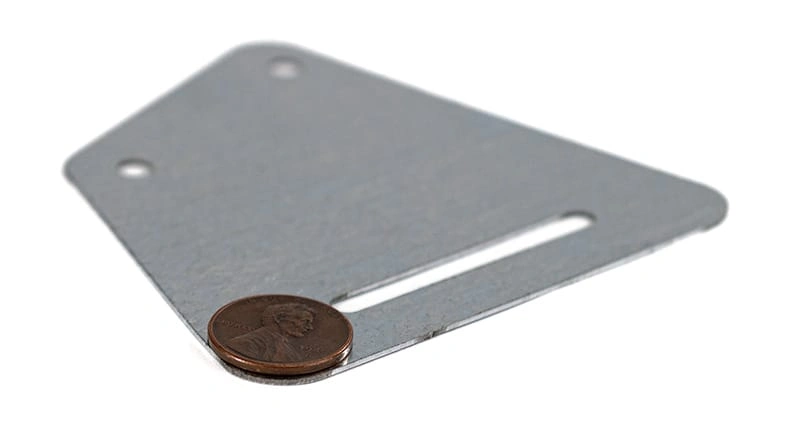
Ⅰ. The Galvanized Edge Problem: Burr-Free Cutting and Zinc Layer Protection
1. The failure of traditional thermal cutting
Galvanized steel is coated with a protective zinc layer (typically 20–40 microns thick) to prevent corrosion. When cut with a high-definition plasma torch, the extreme heat vaporizes the zinc near the kerf, leaving a bare, oxidized edge that rusts quickly. This exposed edge requires secondary grinding or specialized cold galvanizing spray to pass HVAC inspection standards.
2. The laser solution: High-pressure air
A fiber laser cuts galvanized sheet with extreme speed and minimal heat transfer, leaving the zinc layer largely intact just millimeters from the cut. To achieve this, modern shops use high-pressure compressed air (16–20 bar) as the assist gas.
The air must be completely dry and oil-free, complying with ISO 8573-1:2010 Class 1.2.2, to prevent protective lens contamination. This clean, high-pressure air not only prevents oxidation but does so at a fraction of the cost of bottled nitrogen.
Table 1: 1.5mm Galvanized Sheet: Plasma vs. High-Pressure Air Laser
| فئة التكلفة | High-Def Plasma | High-Pressure Air Laser | التأثير على الإنتاج |
|---|---|---|---|
| Cutting Speed | 3.5 – 5.0 m/min | 15 – 20 m/min | 3x to 4x faster processing |
| Gas Cost per Hour | $8.00 – $12.00 | $1.50 – $2.50 | 80% reduction in gas cost |
| تشطيب الحواف | Zinc vaporized, heavy dross | Burr-free, zinc layer intact | Eliminates secondary edge grinding |
| Consumable Cost | $15 – $25 / hr (Electrodes) | $2 – $4 / hr (Nozzles/Lenses) | Lower recurring costs |
(For maximum ROI on compressed air, refer to our guide on high-pressure air compressors for laser cutting.)
High-pressure air cutting has redefined operational margins in HVAC sheet metal fabrication by slashing consumable gas expenses.
Ⅱ. HVAC Sheet Metal Fabrication: Ductwork Nesting & Material Yield
1. The complexity of HVAC fitting nesting
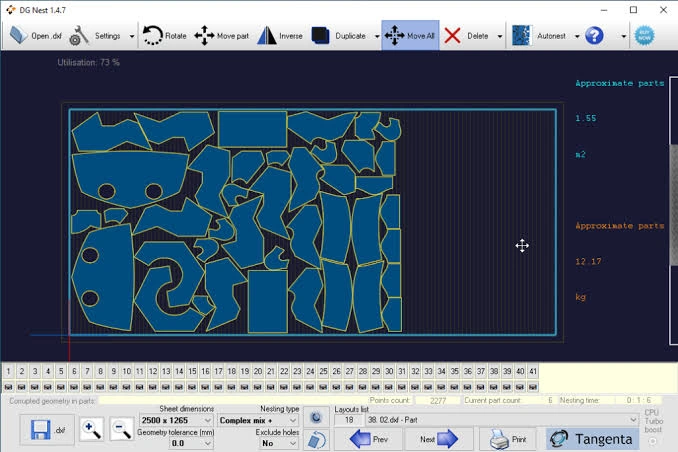
HVAC fabrication involves complex geometries: transitions (square-to-round), 45-degree wyes, and tees. Cutting these on a plasma table using traditional CAM software often results in massive skeletons (waste) because the software cannot optimize the irregular shapes.
2. Common-line nesting
Fiber laser cutting software utilizes common-line nesting. This means adjacent parts share a single cut path, eliminating the kerf width between them. For HVAC shops processing thousands of tons of galvanized steel annually, increasing the material utilization rate from 82% to 94% has a massive impact on the bottom line.
Table 2: Annual Material Yield & Scrap Cost Ledger (1,000-Ton Throughput)
| Metric | Plasma Cutting (Standard Nest) | Fiber Laser (Common-Line Nest) | Annual Savings |
|---|---|---|---|
| Material Utilization Rate | 82% | 94% | +12% yield |
| Scrap Material (Tons/Year) | 180 tons | 60 tons | 120 tons saved |
| Galvanized Steel Price | $1,000 / ton | $1,000 / ton | — |
| Annual Scrap Loss | $180,000 | $60,000 | $120,000 saved |
For high-volume HVAC sheet metal fabrication, moving to common-line nesting directly captures up to $120,000 in raw material savings.
Ⅲ. The Coil-Fed Paradigm Shift: Continuous Blanking vs. Pre-Cut Sheets
1. The raw material price delta
In HVAC fabrication, the largest cost is the raw material. Buying pre-cut standard sheets (4×8 ft or 5×10 ft) from a distributor carries a significant markup. Buying master coils directly from the steel mill eliminates the distributor’s cut-to-length fee, the packaging, and the secondary freight.
2. Why continuous coil-fed systems win
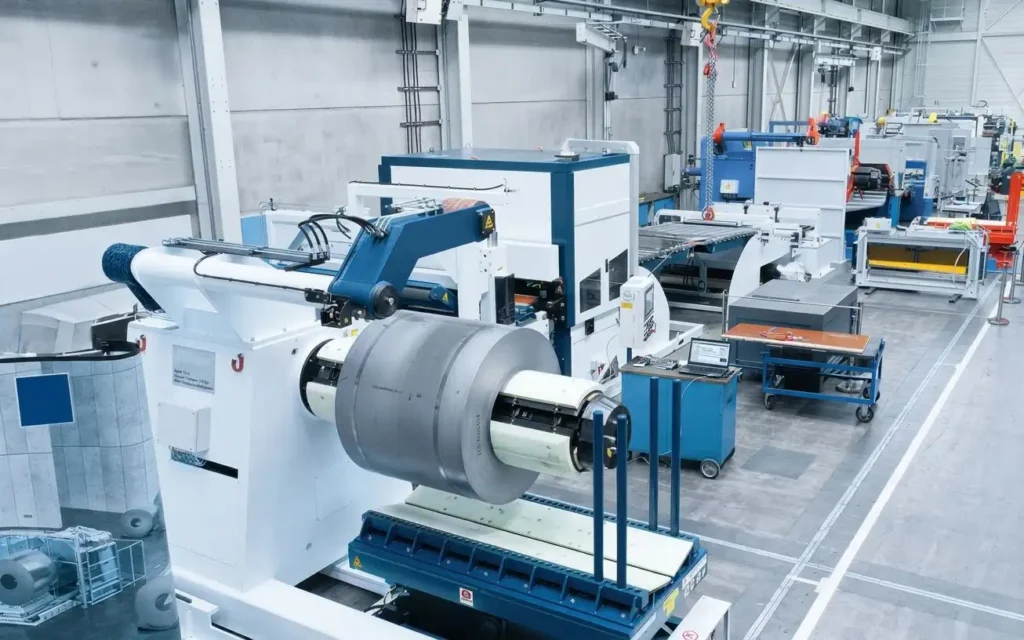
A continuous coil-fed laser blanking line allows the machine to cut parts directly from a master coil. The CNC runs continuous nesting along the length of the coil, generating zero end-of-sheet waste. The raw material price delta alone justifies the transition to a coil line for shops with sufficient volume.
Table 3: Raw Material Procurement Delta: Master Coils vs. Pre-Cut Sheet
| Procurement Type | Purchase Price (Galvanized Steel) | Freight & Handling | Scrap Rate | Suitability for HVAC |
|---|---|---|---|---|
| Pre-Cut Sheets | $1,000 / ton (Base) | High (Packaging/Pallets) | 6% – 10% | Low-to-Medium Volume |
| Master Coil | $850 – $900 / ton | Low (Bulk delivery) | < 2% | High-Volume Production |
Eliminating standard pre-cut sheet markups gives large-scale HVAC sheet metal fabrication facilities a decisive bidding advantage.
(To analyze the full material, floor space, and labor ROI of this transition, read our detailed comparison: Coil-Fed Laser Cutting vs. Sheet-Fed.)
Ⅳ. Shop Floor Workflow: Footprint, Foundation & Pittsburgh Lock Assembly
1. The footprint reality
Integrating a CNC laser into an HVAC shop requires a clear understanding of the machine footprint and material flow. A standard enclosed exchange table machine occupies significantly more space than a basic single-bed unit, and it requires specific foundation and power setups.
2. Downstream assembly accuracy
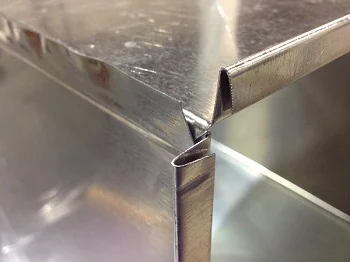
The high precision of a laser-cut edge (complying with ISO 9013 Range 2) ensures that the subsequent Pittsburgh lock and snap-lock seams fit together perfectly, reducing air leakage in the final ductwork assembly.
Table 4: Workshop Engineering Matrix: Footprint & Floor Load
| Machine Configuration | Certified Model | Operating Footprint (m²) | Weight (kg) | Foundation & Power Requirements |
|---|---|---|---|---|
| Standard Single Bed | YH3015F | 15.73 m² | 1,318 kg | 150mm reinforced slab; simple 30 kVA power |
| Exchange Table (Enclosed) | YH3015BD | 30.45 m² | 4,391 kg | 200mm reinforced slab; 50 kVA power |
| Continuous Coil Line | YH4515KA | 130.19 m² | 15,000 – 18,000 kg | Engineered foundation; 25m × 8m crane access |
Note: Machinery acquisition for HVAC fabrication qualifies for IRS Section 179, allowing full first-year depreciation to significantly accelerate the cash flow ROI.
Ⅴ. Frequently Asked Questions
Does a fiber laser ruin the zinc coating on galvanized sheet?
No, not when properly configured. By using high-pressure compressed air (16–20 bar) and optimal cutting speeds, the laser cuts so fast that the heat-affected zone (HAZ) is minimal. The zinc coating remains intact very close to the cut edge, preventing immediate rust.
What is the primary financial benefit of laser nesting for HVAC sheet metal fabrication?
The primary benefit is material yield. Traditional plasma nesting yields around 82% due to large skeletons and lead-ins. Laser common-line nesting can push utilization to 94% or higher, saving thousands of dollars per month in galvanized steel costs.
Why is a coil-fed laser line better than cutting standard sheets?
Master coils are purchased directly from the mill at a lower price per ton than pre-cut sheets. A coil-fed line eliminates the cut-to-length fees and generates zero end-of-sheet waste, making it highly profitable for high-volume duct manufacturing.
المراجع
- ISO 9013:2017 — القطع الحراري — تصنيف القطع الحراري, International Organization for Standardization
- ISO 8573-1:2010 — Compressed air — Contaminants and purity classes, International Organization for Standardization
- IRS — Publication 946: How to Depreciate Property (Section 179), Internal Revenue Service
مزيد من القراءة
- تكلفة آلة القطع بالليزر في الساعة: دفتر الأستاذ التشغيلي الكامل — Breaking down the true hourly cost of running an HVAC laser cell.
- Laser Blanking Line vs Stamping: Tooling & Flexibility — Eliminating tooling costs for high-volume blanking.
- تكلفة غاز القطع بالليزر: الوفورات في استخدام النيتروجين مقابل الهواء المضغوط — Analyzing the financial impact of gas selection.
- Fiber Laser Financing: 2026 Equipment Lease vs Buy — Structuring the capital acquisition for your new machine.