
목차
Ⅰ. 서론
Sheet metal processing stands at the center of modern manufacturing, serving industries from automotive and aerospace to consumer electronics and architectural design. The global sheet metal market reached USD 356.11 billion in 2026 and is projected to grow to USD 451.26 billion by 2030 at a compound annual growth rate (CAGR) of 6.1%. Within this expansive sector, the sheet metal processing equipment market is expected to grow by USD 5.23 billion from 2026 to 2030, expanding at a CAGR of 6.7%. This growth is driven by the convergence of advanced automation, high-power fiber lasers, and robotic systems that enable fabricators to achieve greater efficiency and handle advanced materials. At WSLLASER, we engineer high-precision laser cutting machines, laser welding machines, and laser cleaning machines that empower fabricators to transition from capital-intensive tooling to agile, digital manufacturing.
Ⅱ. Precision Laser Cutting: Eliminating Mechanical Bottlenecks

For shops still dependent on turret punches and mechanical shears, the transition to modern sheet metal processing unlocks immediate competitive advantages.
- Zero-Tooling Agility for Rapid Prototyping
Moving from physical dies to digital-to-physical manufacturing eliminates the sunk costs and lead times associated with punch tooling. Cut programs run directly from DXF files, enabling same-day prototyping and design iterations without tooling investment. For fabricators serving custom enclosures, medical equipment, and architectural panels, this agility translates to quotes delivered in hours rather than weeks.
- Burr-Free Edge Quality and Assembly Readiness
The physics of high-pressure nitrogen assist gas in fiber laser cutting achieves oxide-free, perpendicular kerfs on stainless steel grades 304 and 316L. Unlike oxygen-assisted cutting, which creates a chrome-depleted oxide layer requiring grinding before welding, nitrogen produces bright, weld-ready edges. This eliminates the manual deburring station, compressing total part cost and throughput time.
Table 1: Cutting Method Comparison for Sheet Metal Processing
| Method | Tooling Cost | Setup Time | 가장자리 품질 | Best Volume Range | Downstream Prep |
|---|---|---|---|---|---|
| Fiber Laser Cutting | Zero | Minutes | ±0.05 mm, burr-free | 1–5,000+ parts | None (N₂ assist) |
| Turret Punch | $500–$5,000/die | 1–2 hours | Good, slight burr | 500+ parts | Deburring required |
| Plasma Cutting | Zero | 15–30 min | ±0.2 mm, dross | 10+ parts (thick) | Grinding required |
| Waterjet | Zero | 15–30 min | ±0.1 mm, no HAZ | 1–100 parts | 없음 |
Ⅲ. Advanced Laser Welding: Solving the Thin-Metal Distortion Dilemma
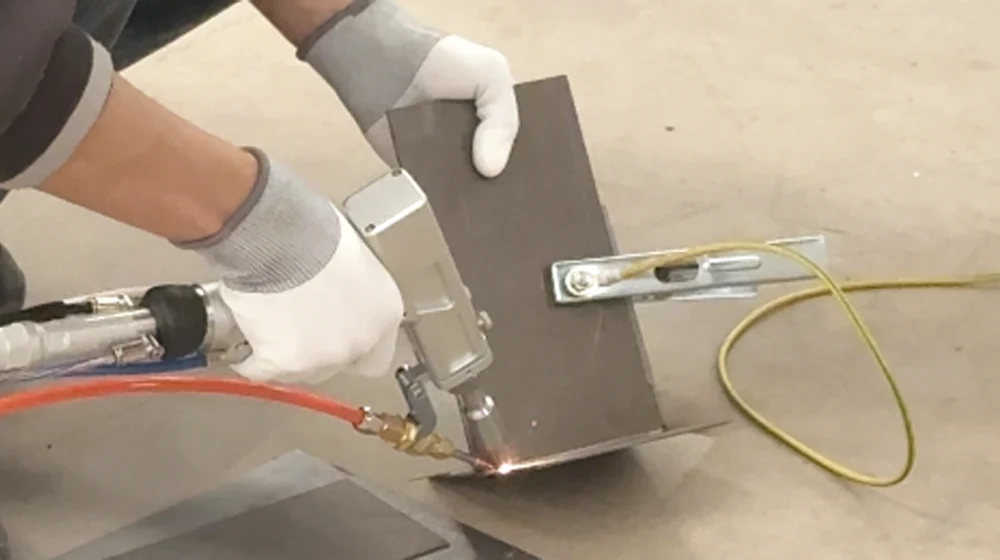
Thermal warping represents the single largest pain point for fabricators joining thin-gauge stainless steel and aluminum. Stainless steel laser processing addresses this through fundamentally different heat physics.
- Autogenous Fusion and the Minimized Heat-Affected Zone (HAZ)
Laser welding delivers energy in a tightly focused spot, allowing the joint to reach welding temperature quickly while limiting how much surrounding metal heats up. On 18-gauge carbon steel, laser welding introduces roughly 50% of the total heat that TIG or MIG would put into the same part. Research demonstrates that TIG heat input (173 to 435 J/mm) drives distortion from 0.383 mm up to 2.511 mm on 3 mm steel, whereas laser processes constrain the thermal footprint—often reducing the HAZ from 7.65 mm down to 0.75 mm. For stainless steel enclosures, this means parts remain flat without post-weld flattening presses.
- Bridging the Skilled Labor Gap in Fabrication
The acute shortage of certified TIG welders constrains production capacity across the industry. Handheld fiber laser welders feature pre-engineered programs that manage laser power, wire feed, and travel speed automatically, allowing operators to achieve repeatable weld quality with minimal training. The resulting seams are structurally sound and cosmetically perfect, requiring zero grinding—directly addressing the skilled labor bottleneck while maintaining throughput.
Table 2: Welding Process Comparison for Thin Sheet Metal
| Process | 열 입력 | HAZ Width | Distortion Risk | Speed | Operator Skill | Post-Weld Grinding |
|---|---|---|---|---|---|---|
| Handheld Laser | 낮음 | 0.5–1.0 mm | 미니멀 | Very high | 낮음 | 없음 |
| TIG | 173–435 J/mm | 5–8 mm | High (0.4–2.5 mm) | 낮음 | 높음 | Often required |
| MIG | 보통 | 3–5 mm | 보통 | 중간 | 중간 | Spatter cleanup |
Ⅳ. Value-Added Photonic Processes: Surface Cleaning and Marking
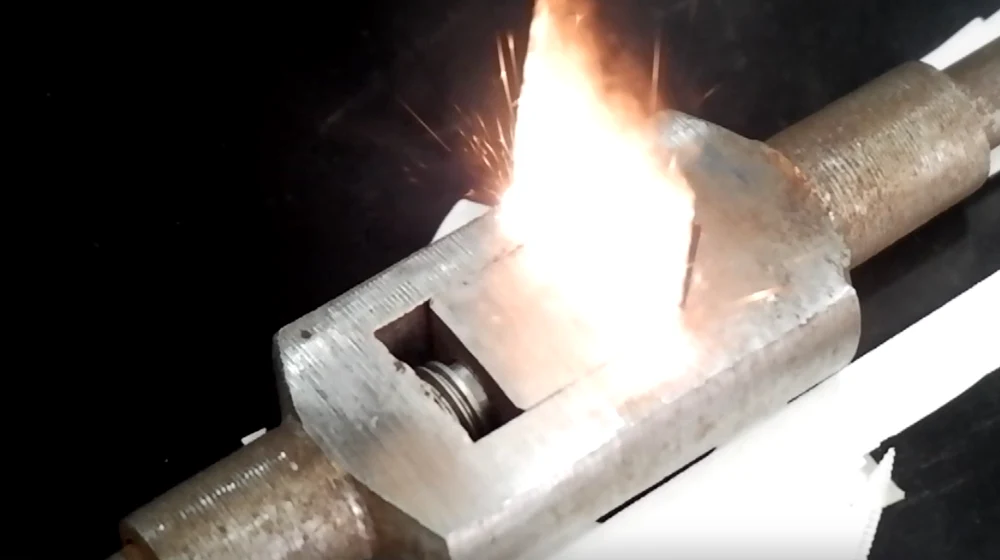
Sheet metal processing extends beyond cutting and joining to encompass the entire fabrication workflow, eliminating chemical and abrasive secondary operations.
- Non-Abrasive Laser Surface Cleaning
Traditional post-weld cleaning relies on hazardous chemical pickling pastes or abrasive sandblasting—both of which compromise surface integrity. Laser cleaning uses photothermal ablation and thermal shock to strip pre-weld rust, oil, and post-weld heat tint without substrate damage. The laser creates a thermal shock effect on the surface; the different coefficient of thermal expansion between surface debris like rust and the base metal creates a shock that shakes the rust particles offAfter laser welding, another pass from the laser allows alloying elements like chromium to move toward the surface, passivating the material to restore its corrosion resistance—no chemicals required.
- Permanent Marking for Bending and Assembly Traceability
Laser annealing applies controlled localized heating to create dark oxide contrast on stainless steel without material removal. These marks are permanent, indelible, and resistant to mechanical, chemical, and thermal stress—eliminating disposable labels and printing consumables. Fabricators apply precise bending lines, QR codes, and assembly indicators directly onto flat patterns, ensuring accuracy in downstream press-brake operations while enabling full traceability across the production line.
Table 3: Surface Treatment Comparison for Sheet Metal Processing
| Treatment | 메커니즘 | Passivation Preserved | Environmental Impact | Surface Roughness | 소모품 |
|---|---|---|---|---|---|
| Chemical Pickling | Acid immersion | Partial | High effluent | 0.3–0.8 μm | Acids, rinse water |
| Abrasive Blasting | Mechanical erosion | 아니요 | Dust, media waste | 1.0–3.0 μm | Sand, shot |
| Laser Cleaning | Pulsed ablation / thermal shock | Yes | Zero effluent | 0.2–0.5 μm | 없음 |
| Laser Annealing Marking | Surface oxidation | Yes | Zero effluent | Unchange |
Ⅴ. Expanding Market Capabilities: New Horizons for Fabricators
Adopting advanced sheet metal processing does not merely optimize existing workflows—it opens entirely new market segments previously inaccessible to conventional shops.
- Processing Highly Reflective and Exotic Alloys
Traditional CO₂ lasers struggled with copper, brass, and highly reflective aluminum alloys due to beam reflection and poor energy absorption. Modern continuous-wave fiber lasers with advanced optics easily process these materials, opening doors to EV battery busbar fabrication, electrical cabinet manufacturing, and heat exchanger production.
- Upgrading to High-End Architectural and Sanitary Enclosures
Food-grade kitchenware, medical device chassis, and high-end architectural panels demand flawless surfaces with zero grind marks. Stainless steel laser processing meets these stringent aesthetic and hygiene standards through burr-free cutting, smooth weld seams, and non-abrasive surface finishing. The resulting components require no post-process grinding or chemical treatment, delivering premium quality directly from the machine to final assembly.
Ⅵ. 자주 묻는 질문
Q1: At what production volume does laser cutting become more economical than stamping?
A: Laser cutting is cheaper than stamping for volumes below approximately 500–1,000 pieces per year because it requires no tooling investment. Stamping becomes more cost-effective above that threshold due to low per-stroke cycle cost, but the break-even point rises significantly when downstream deburring and grinding are factored in.
Q2: Can handheld laser welding truly replace TIG for thin sheet metal?
A: Yes. Handheld laser welding delivers comparable joint strength with roughly 50% less heat input, minimal distortion below 0.1 mm, and no post-weld grinding. The learning curve is significantly shorter, enabling new operators to produce consistent, cosmetically perfect seams within days rather than years.
Q3: Does laser cleaning remove the passive layer from stainless steel?
A: No. When parameters are correctly matched, laser cleaning removes only the contamination layer while leaving the base metal and passive chromium oxide film intact. In fact, the heat from the laser allows chromium to migrate to the surface, actively promoting re-passivation without chemicals.
Q4: Are laser-marked QR codes on sheet metal readable after powder coating?
A: Yes, but depth matters. Deeper engraving ensures codes remain scannable after e-coating or powder coating. Annealed marks are preferred for heat-treated components as the oxide layer is integral to the material and will not flake off under thermal stress.
Q5: What thickness range can a single fiber laser system handle for sheet metal processing?
A: A 3 kW fiber laser typically cuts up to 12–15 mm on mild steel and 0.5–20 mm on stainless steel. For welding, handheld fiber systems effectively join thicknesses up to 6 mm depending on material reflectivity and joint configuration.
Ⅶ. 결론
Sheet metal processing has fundamentally redefined the economics and capabilities of modern fabrication. By replacing mechanical tooling with digital programmability, eliminating thermal distortion through concentrated photonic energy, and integrating cleaning and marking into a single zero-consumable workflow, these technologies empower fabricators to compete in markets previously dominated by high-volume stampers. As the global sheet metal market accelerates toward USD 451.26 billion by 2030, the shops that invest in unified laser cutting, welding, cleaning, and marking platforms will capture the premium custom work that defines the future of manufacturing. At WSLLASER, our CE/ISO-certified fiber laser systems deliver exactly this capability—engineered for precision, built for profitability, and backed by 17 years of industrial expertise.