

Содержание
Ⅰ. Введение
The kitchenware and home appliance industry demands manufacturing technologies that balance aesthetic precision, hygienic compliance, and production efficiency. Stainless steel laser processing has emerged as the definitive solution for fabricating components ranging from range hoods and refrigerator panels to sinks and cookware. The global laser processing market reached USD 26.56 billion in 2025 and is projected to grow at a CAGR of 10.0%, reaching USD 42.73 billion by 2030. Within this expansion, material processing applications—including stainless steel laser processing for consumer goods—account for the largest revenue share. At WSLLASER, we engineer high-precision laser cutting machines, laser welding machines, and laser cleaning machines that empower kitchenware manufacturers to meet these evolving demands with certified reliability.
Ⅱ. Scientific Definitions of Industrial Laser Modalities

Understanding the photonic interaction mechanisms behind stainless steel laser processing is essential for selecting optimal process parameters. Each modality operates through distinct energy-transfer physics.
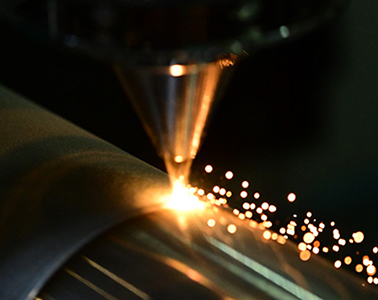
- Laser Beam Cutting: Laser beam cutting delivers high-fluence focused coherent radiation coupled with high-purity nitrogen assist gas dynamics to induce localized melting and rapid vaporization along programmed trajectories. Fiber lasers have become the dominant technology, offering electrical-to-optical efficiency exceeding 30–40% and minimal maintenance requirements . For thin-gauge 304 and 316 stainless steel sheets commonly used in kitchenware, fiber lasers produce kerf widths under 0.2 mm with minimal heat-affected zones.
- Laser Beam Welding: Laser beam welding utilizes high-power density thermal fusion characterized by keyhole-mode or conduction-mode energy transfer. The process produces narrow weld geometries with minimal thermal distortion—critical for maintaining dimensional accuracy in appliance assembly. Low-heat input processes help reduce sugaring, heat tint and distortion in food-grade stainless steel applications .
- Laser Surface Cleaning: Laser surface cleaning achieves selective extraction of organic coatings, oxides, or contaminants via pulsed laser-induced thermo-elastic shockwaves and micro-vaporization without substrate ablation. This non-contact approach eliminates chemical solvents and abrasive media while preserving the passive chromium oxide layer essential for corrosion resistance.
- Laser-Induced Surface Modification (Marking): Laser marking employs controlled localized heating to modify the surface oxide layer, creating high-contrast annealed marks without material removal. Annealing marking is used primarily on austenitic stainless steels such as grades 304, 304L, 316 and 316L, delivering high-quality dark contrast while preserving the material’s surface finish .
Ⅲ. Precision Laser Cutting for Thin-Gauge Appliance Housings
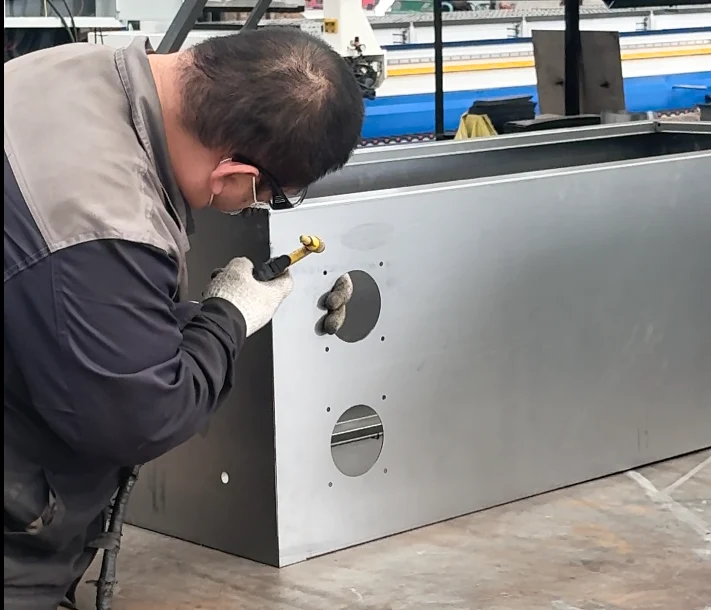
Kitchenware manufacturers predominantly work with stainless steel sheets ranging from 0.5 mm to 2.0 mm—a thickness range where stainless steel laser processing delivers transformative advantages over mechanical stamping and shearing.
- Fiber Laser Cutting of 304/316 Stainless Steel Research on fiber laser micro-cutting of 316L stainless steel thin sheets confirms that optimized pulse parameters achieve clean edges with minimal dross and small heat-affected zones . For kitchenware applications, this translates to burr-free edges on range hood panels, refrigerator doors, and cabinet frames that proceed directly to bending and welding without secondary grinding.
- Complex Contour Processing for Sinks and Cabinets Traditional stamping dies suffer from limited flexibility and rapid wear when processing complex geometries. Stainless steel laser processing enables rapid changeovers between different product specifications simply by loading new CNC programs—eliminating tooling costs and reducing setup time from hours to minutes. Intelligent nesting software further maximizes sheet utilization, reducing material waste of expensive stainless steel substrates.
- Film-Coated Sheet Processing Protective films applied to brushed or polished stainless steel surfaces prevent scratches during handling. Advanced fiber laser systems support direct cutting of film-coated sheets without damaging the underlying finish, ensuring pristine surfaces on visible kitchenware components such as cabinet doors and splashbacks.
Table 1: Fiber Laser Cutting Parameters for Common Kitchenware Stainless Steel Grades
| Оценка | Толщина (мм) | Laser Power (W) | Assist Gas | Cutting Speed (m/min) | Качество кромок |
|---|---|---|---|---|---|
| 304 | 0.5–1.0 | 1000–1500 | Азот (99,99%) | 15–25 | Burr-free, bright |
| 304 | 1.0–2.0 | 2000–3000 | Азот (99,99%) | 8–15 | Minimal dross |
| 316L | 0.5–1.0 | 1000–1500 | Азот (99,99%) | 12–20 | Burr-free, bright |
| 316L | 1.0–2.0 | 2000–3000 | Азот (99,99%) | 6–12 | Low dross |
| 430 | 0.8–1.5 | 1000–2000 | Nitrogen / Air | 10–18 | Clean, oxide-free |
Ⅳ. Seamless Laser Welding for Sanitary and Watertight Joints
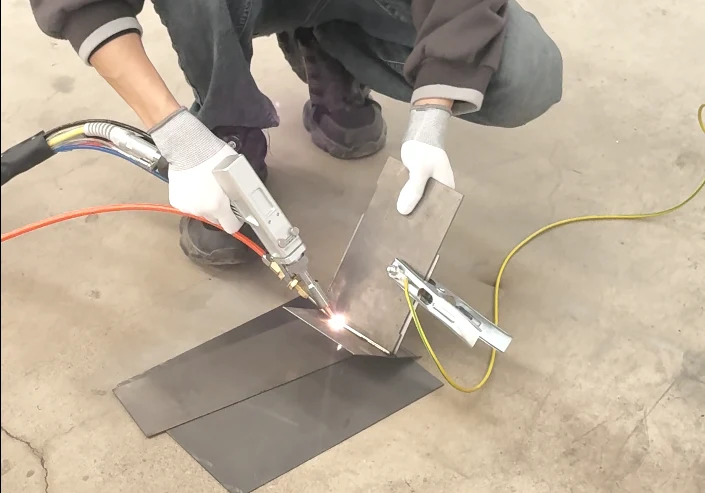
Food-grade and medical-grade applications demand clean, smooth welds that eliminate crevices where bacteria can accumulate. Stainless steel laser processing meets these stringent sanitary requirements through precisely controlled thermal fusion.
- Low-Heat Input Welding for Food-Grade Surfaces Laser welding concentrates energy into a narrow zone, minimizing the heat-affected zone and preserving the passive chromium oxide layer. This reduces post-weld discoloration and eliminates the sugaring effect common in conventional welding of austenitic grades. The result is smooth, cleanable weld surfaces that comply with FDA regulations and 3-A Sanitary Standards .
- Dissimilar Thickness Joining Kitchenware assemblies frequently require joining thin gauge panels to thicker structural brackets or flanges. Laser welding accommodates these thickness transitions without burn-through on the thin side or lack of penetration on the thick side—delivering consistent joint integrity across varied geometries.
- Aesthetic Seam Welding for Visible Surfaces Exterior seams on high-end appliances and cookware require invisible welds that maintain surface continuity. Laser seam welding produces narrow, cosmetically perfect joints that require no post-weld grinding or polishing, preserving the brushed or mirror finish of premium kitchenware.
Ⅴ. Laser Cleaning for Passivation Restoration and Food-Grade Compliance
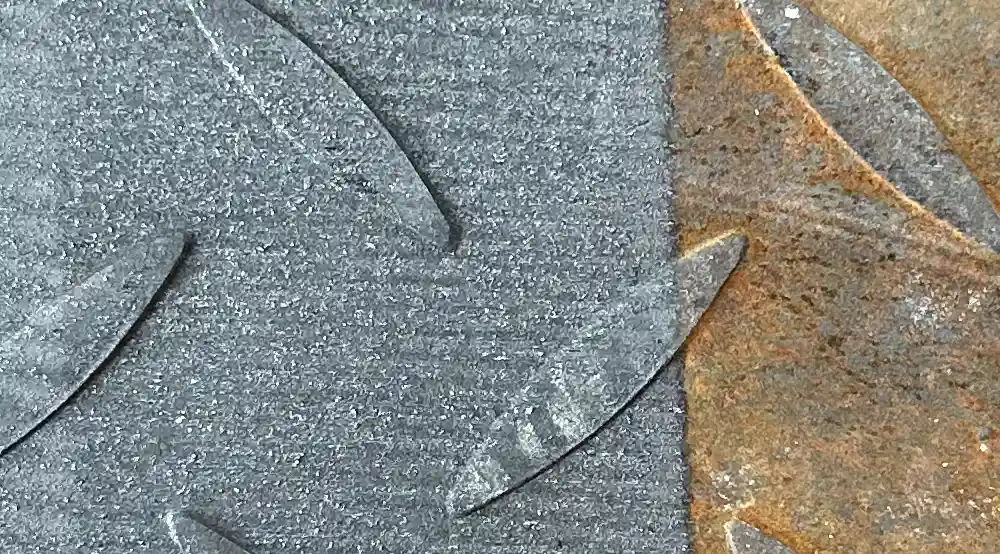
The integrity of the passive chromium oxide layer determines stainless steel’s corrosion resistance and food safety performance. Stainless steel laser processing includes advanced cleaning modalities that restore and maintain this critical protective barrier.
- Pre-Weld Oxide and Contaminant Removal Prior to welding, laser cleaning selectively removes mill scale, organic residues, and surface oxides that cause weld porosity and contamination. Research confirms that short-pulse laser surface cleaning significantly reduces porosity formation in stainless steel welding, ensuring structural integrity in pressure-bearing kitchenware components.
- Post-Weld Heat Tint Elimination Conventional welding produces heat tint—a discoloration indicating chromium depletion and compromised passivation. Laser cleaning removes this heat tint without abrasive blasting or chemical pickling, restoring the surface to its original corrosion-resistant state while meeting environmental compliance mandates.
- Passivation Layer Restoration After any thermal processing, the passive layer requires restoration to ensure long-term corrosion resistance. Laser cleaning followed by controlled atmospheric exposure promotes rapid re-passivation, rebuilding the Cr₂O₃ film that protects against pitting corrosion in chloride-rich kitchen environments.
Table 2: Surface Treatment Comparison for Food-Grade Stainless Steel Compliance
| Treatment Method | Механизм | Passivation Restoration | Environmental Impact | Surface Roughness (Ra) |
|---|---|---|---|---|
| Chemical Pickling | Acid immersion | Partial | High effluent | 0.3–0.8 μm |
| Abrasive Blasting | Mechanical erosion | No | Dust generation | 1.0–3.0 μm |
| Electropolishing | Anodic dissolution | Yes | Chemical waste | <0.2 μm |
| Laser Cleaning | Pulsed ablation | Yes | Zero effluent | 0.2–0.5 μm |
Ⅵ. Laser Marking for UI Design, Branding, and Traceability
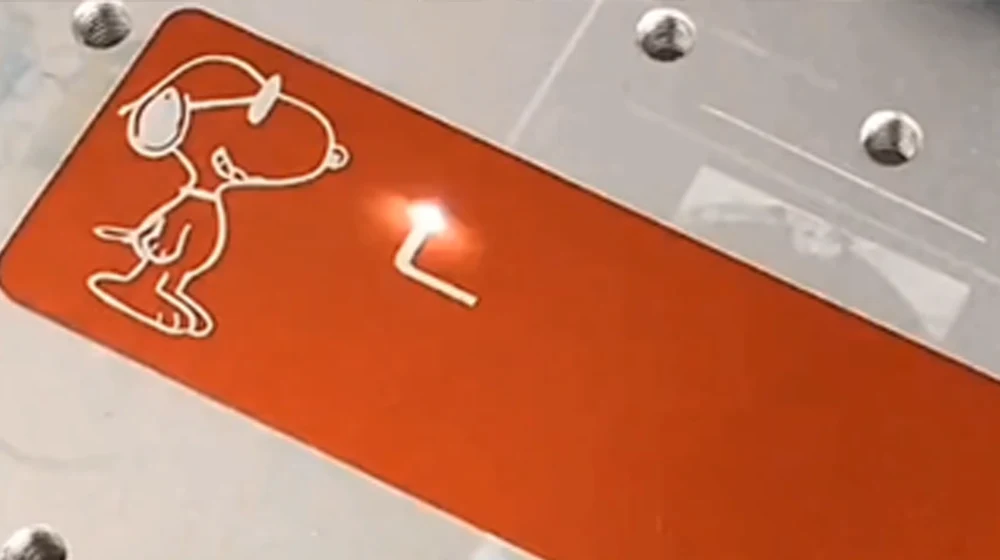
Permanent identification on kitchenware must survive repeated cleaning, chemical exposure, and thermal cycling while maintaining aesthetic quality. Stainless steel laser processing delivers marking solutions that satisfy both functional and decorative requirements.
- Annealed Black Marking for Sanitary Surfaces Annealing marking applies controlled localized heating to create a dark oxide contrast without material removal. The surface stays smooth to the touch with no meaningful recess, making it ideal for sanitary environments where bacterial adhesion must be minimized . During laser annealing, the chromium oxide layer melts away, but a new passivated layer forms spontaneously, preserving corrosion resistance .
- Branding and Decorative Patterns Laser marking reproduces complex logos, graduated scales, and decorative patterns with micron-level precision on brushed or polished stainless steel surfaces. The non-contact process requires no consumables or tool wear, ensuring the lowest cost per mark while maintaining consistent graphic quality across high-volume production runs .
- Regulatory Traceability Codes High-contrast Data Matrix and QR codes applied directly to stainless steel components enable automated data capture and integration into ERP and MES systems. These permanent marks withstand high-pressure cleaning, disinfectants, and sterilization cycles—fulfilling traceability requirements for commercial kitchen equipment and medical-grade appliances .
Table 3: Laser Marking Techniques for Kitchenware Applications
| Marking Technique | Механизм | Material Removal | Contrast Level | Best Application |
|---|---|---|---|---|
| Annealing | Surface oxidation | Нет | High (black) | Sanitary surfaces, scales |
| Etching | Light ablation | <5 μm | Средний | Brushed finishes, logos |
| Deep Engraving | Vaporization | 20–100 μm | Очень высокий | Industrial labels, serial codes |
| Color Marking | Controlled oxidation | Нет | Variable | Decorative patterns |
Ⅶ. Часто задаваемые вопросы
Q1: What thickness range of stainless steel can be laser cut for kitchenware?
A: Fiber laser systems reliably process stainless steel sheets from 0.5 mm to 3.0 mm—the standard range for kitchen cabinets, sinks, range hoods, and appliance housings. Thicker structural components up to 20 mm require higher power configurations.
Q2: Does laser welding compromise the food-grade status of stainless steel?
A: No. When properly executed with optimized parameters, laser welding minimizes heat tint and preserves the passive layer. Post-weld laser cleaning further restores passivation, ensuring compliance with FDA and 3-A Sanitary Standards.
Q3: Can laser marking on cookware survive dishwasher cycles and chemical cleaning?
A: Yes. Annealed laser marks are integral to the material surface and remain readable through high-pressure cleaning, detergents, and thermal cycling. Unlike labels or inks, they cannot peel, fade, or dissolve.
Q4: Is stainless steel laser processing more cost-effective than traditional stamping for small batches?
A: Absolutely. Laser processing eliminates tooling costs and setup time, making it ideal for custom orders and small-batch production. The break-even point typically favors laser systems for batches under 1,000 units or designs with frequent changes.
Q5: What assist gas is recommended for cutting food-grade stainless steel?
A: High-purity nitrogen (99.99%) is essential for achieving bright, oxide-free edges on 304 and 316L grades. Oxygen accelerates cutting but produces dark, oxidized edges that compromise corrosion resistance and require post-processing.
Ⅷ. Заключение
Stainless steel laser processing represents the convergence of precision engineering, hygienic compliance, and sustainable manufacturing for the kitchenware and home appliance industry. From burr-free cutting of thin-gauge housings to sanitary welding of food-contact surfaces and permanent annealed marking for traceability, these technologies address the sector’s most demanding challenges. As the global laser processing market accelerates toward USD 42.73 billion by 2030, manufacturers who integrate cutting, welding, cleaning, and marking capabilities into unified production cells will secure decisive competitive advantages. At WSLLASER, our fiber laser systems are engineered to deliver exactly this transformative capability—backed by 17 years of manufacturing excellence and CE/ISO-certified quality assurance.