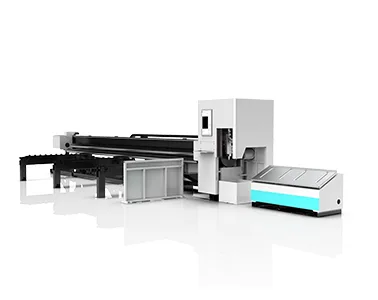

A job shop that cuts only flat sheet eventually turns down structural tubing orders. Conversely, a shop configured exclusively for hollow profiles misses lucrative panel-nesting contracts. The conventional remedy is simple: invest in two separate machine tools. However, plant managers quickly discover that pairing a dedicated 3015 flat table with a dedicated 245 tube cutting line—along with the mandatory crane corridors, staging areas, and dual utilities—demands far more workshop square footage than most facilities can afford.
This comprehensive guide evaluates whether an industrial sheet and tube laser cutting machine genuinely resolves that layout bottleneck or simply defers the trade-offs. We break down the true footprint arithmetic, chuck clamping boundaries across hollow profiles, the physical changeover routine that sales literature routinely glosses over, and a practical payback model for operations balancing a 70% sheet and 30% tube production mix.
Ⅰ. The Dual-Use Dilemma: Integrated Combo vs. Two Dedicated Laser Cutters
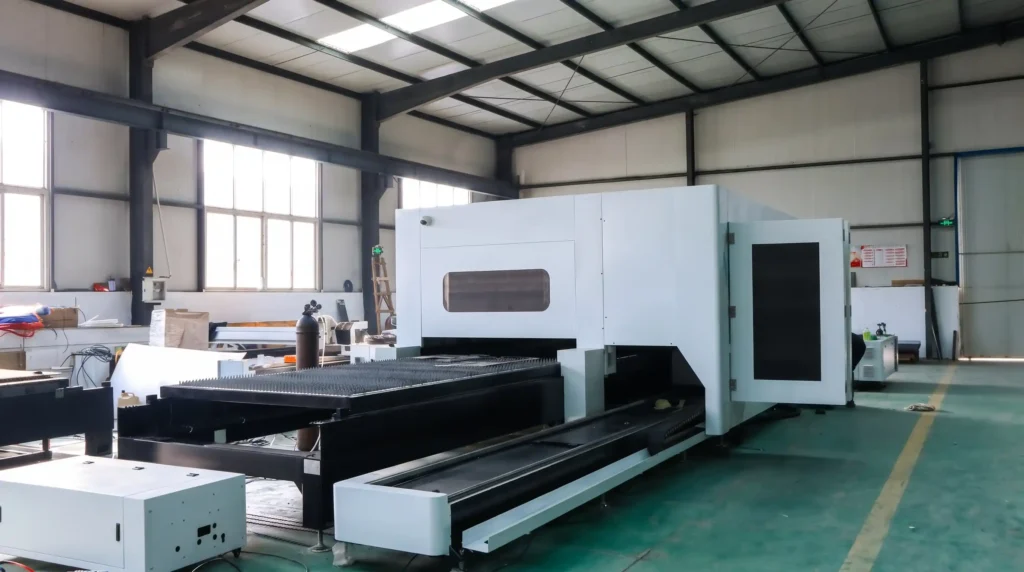
When evaluating machine dimension sheets, the footprint delta between an integrated sheet and tube laser cutting machine and dedicated equipment appears modest. An integrated 3015 combo cell occupies roughly 38.70 m². In contrast, a standalone 3015 plate cutter occupies 15.73 m², and a standard tube laser takes between 14.90 m² and 28.67 m².
The decisive space dividend, however, lies in perimeter logistics rather than the machine chassis. Two separate machine tools mandate two independent fume extraction ducting runs, two high-voltage feeder drops, two operator consoles, and an expansive central overhead crane aisle wide enough to load raw plates and 6-meter pipe bundles simultaneously without line interference. This logistical buffer routinely consumes 15 to 25 m² of prime floor space that never appears on OEM machine catalog dimensions.
2. Electrical infrastructure consolidation
An integrated sheet and tube laser cutting machine draws its entire load through a single utility drop and unified switchgear cabinet. Running separate plate and tube machines requires two isolated step-down transformer circuits and redundant high-pressure pneumatic drops. For power-constrained workshops facing utility cap thresholds, deploying a unified sheet and tube laser cutting machine avoids costly substation expansion. For step-by-step transformer sizing guidelines, consult our breakdown on laser cutter power requirements and electrical installation.
3. Operator allocation and idle asset mitigation
In custom job shops where tubular parts account for roughly 30% of total volume, a dedicated tube laser sits idle for several shifts each week. That idle time represents depreciating capital generating zero revenue. An industrial sheet and tube laser cutting machine ensures that the core capital asset—the fiber laser power source, the heavy gantry, and the chiller—maintains high overall equipment effectiveness (OEE) regardless of how weekly order ratios fluctuate between panels and frames.
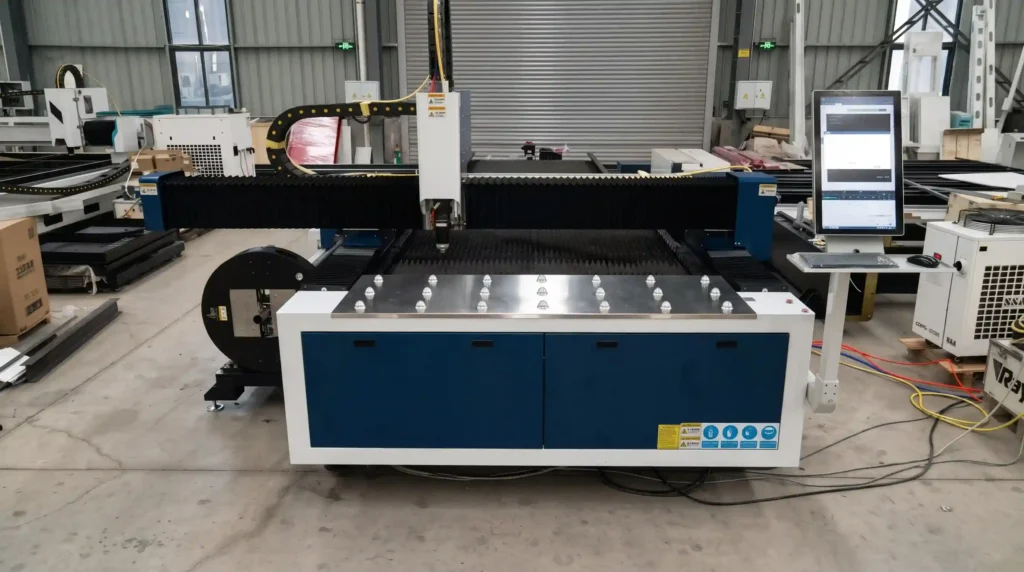
Table 1: Shop Floor Footprint & Infrastructure Ledger
| Operational Parameter | Dual-Use 3015 Plate & Tube Combo Cell | Dedicated 3015 Plate Table + Dedicated 245 Tube Laser | Strategic Facility Impact |
|---|---|---|---|
| Machine Chassis Footprint | ~38.70 m² | 15.73 m² + 14.90 m² = 30.63 m² | Dual-bed footprint consolidated onto a single welded base. |
| Inter-Machine Crane Aisle | None required (integrated envelope) | 15.0–25.0 m² dedicated travel zone | Eliminates forklift/crane collision buffer corridors. |
| Effective Shop Floor Space | ~38.70 m² | 45.0–55.0 m² | Saves 15–20 m² of productive manufacturing area. |
| Transformer Drops & Drops | 1 unified service connection | 2 separate sub-panel drops | Avoids double utility connection fees and wiring. |
| Dust Collector Ducting | 1 coordinated duct branch | 2 independent exhaust systems | Halves exterior wall penetration and pipework. |
| Operator Staffing | 1 operator per shift | 2 operators (or idle walking travel) | Eliminates split-shift cross-training bottlenecks. |
Ⅱ. Chuck Clamping Capabilities & Processing Envelopes
1. Hollow profile capacity and chuck range
The rotary chuck on a heavy-duty sheet and tube laser cutting machine handles round pipe from Φ20 mm to Φ245 mm, square hollow sections (SHS) from 20 × 20 mm to 200 × 200 mm, and rectangular profiles up to 200 × 100 mm. With specialized V-block or extended stepped jaws, the rotary system also clamps structural C-channel and unequal angle profiles. This broad operational envelope satisfies typical architectural metalwork, machinery chassis, and agricultural frame fabrication. For deeper kinematic parameters, explore our comprehensive CNC laser cutting machine engineering guide.
Beyond Φ245 mm or wall thicknesses exceeding 12 mm, specialized four-chuck structural machines remain the correct choice. A dual-use sheet and tube laser cutting machine is an agile fabrication workhorse, not an ultra-heavy offshore pipe processor.
2. Wall thickness vs. power cross-matching
When processing hollow shapes on a sheet and tube laser cutting machine, a 3 kW source comfortably severs mild steel tube walls up to 3.0 mm at brisk production speeds. Moving to a 6 kW configuration expands that threshold to 5.0–6.0 mm structural pipe. Machine power should be selected based on your dominant sustained schedule, rather than peak single-pass cut capabilities.
3. Dynamic payload support and follower rests
A 6-meter section of heavy steel tubing sags substantially under cantilevered gravity load. Without precise intermediate bracing, this deflection induces severe rotational runout, throwing intersecting saddle joints and bolt holes out of tolerance. Modern dual-use systems incorporate pneumatic or CNC servo-driven follower rests that automatically track the profile’s eccentric rotation, keeping the center line true from chuck face to free end.
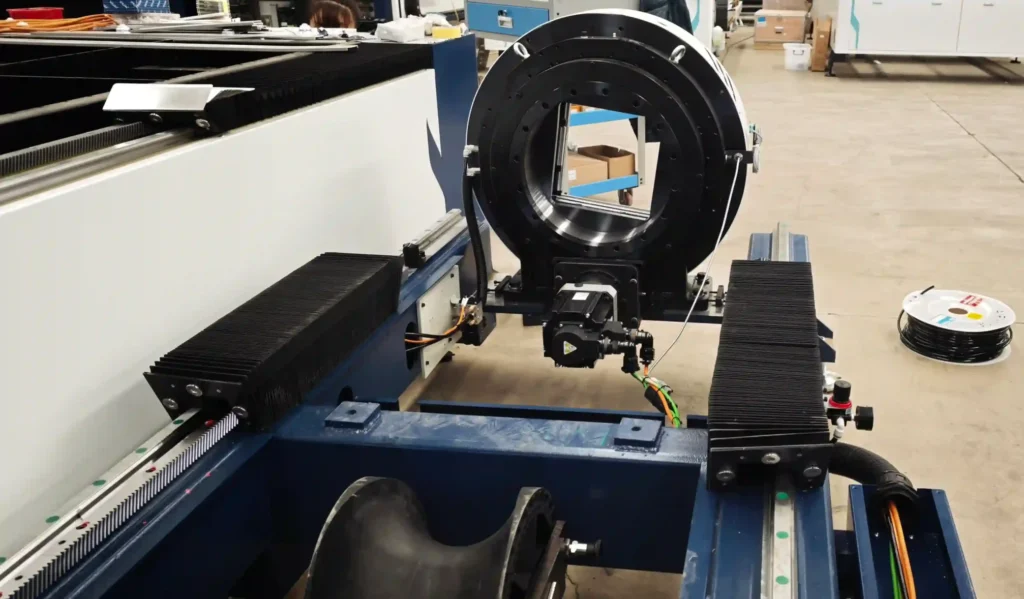
Table 2: Chuck Clamping & Cutting Capacity Matrix for Hollow Profiles
| Structural Profile Geometry | Minimum Dimension | Maximum Envelope | Max Wall (3 kW Source) | Max Wall (6 kW Source) | Typical Application Scope |
|---|---|---|---|---|---|
| Round Steel Pipe | Φ20 mm | Φ245 mm | 3.0 mm | 6.0 mm | Handrails, piping, agricultural frames. |
| Square Tubing (SHS) | 20 × 20 mm | 200 × 200 mm | 3.0 mm | 6.0 mm | Machine bases, structural columns. |
| Rectangular Tubing (RHS) | 20 × 10 mm | 200 × 100 mm | 3.0 mm | 5.0 mm | Vehicle subframes, trailer chassis. |
| C-Channel Profiles | 40 mm web | 160 mm web | 3.0 mm | 4.5 mm | Heavy equipment crossmembers. |
| Angle Iron (L-Section) | 30 × 30 mm | 120 × 120 mm | 3.0 mm | 4.5 mm | Brackets, welded frame gussets. |
Ⅲ. Changeover Cycles: Managing the Switch from Flat Sheet to Hollow Profiles
1. The real physical changeover window: 20–30 minutes
While digital CNC part programs load in seconds, physical changeover on a sheet and tube laser cutting machine requires disciplined shop-floor execution. Because the rotary chuck sits on a dedicated side bay parallel to the main flat table, the sheet support slats do not need to be unbolted or removed.
However, a repeatable switch from flat cutting to tubular processing involves critical mechanical calibration steps:
- Jogging the gantry into the safe side-mounted rotary coordinate system.
- Adjusting chuck jaw positions and pneumatic clamping pressure to prevent thin-wall crush.
- Setting the height elevations on the intermediate pneumatic follower rests.
- Installing a tube-appropriate cutting nozzle and verifying optical beam centering.
- Performing automatic capacitive height-sensing calibration over the curved profile corner.
In an active job shop, this sequence realistically takes 20 to 30 minutes. Fabricators told that changeovers take under 5 minutes are often hearing marketing claims that ignore nozzle alignment, follower adjustment, and raw tube staging.
2. Batch-oriented scheduling: The 70/30 rule
The correct approach to managing a 20–30 minute setup cycle is structured production scheduling. Attempting to alternate between one flat plate and one structural pipe introduces excessive setup penalties.
Instead, schedule parts in coordinated batches. In a typical operation running 70% flat sheet and 30% hollow profiles, group tubular jobs into a single contiguous block per shift. Amortizing a single 25-minute setup over a 2.5-hour continuous tube production run preserves overall cycle efficiency and yields 75% or higher daily machine OEE.
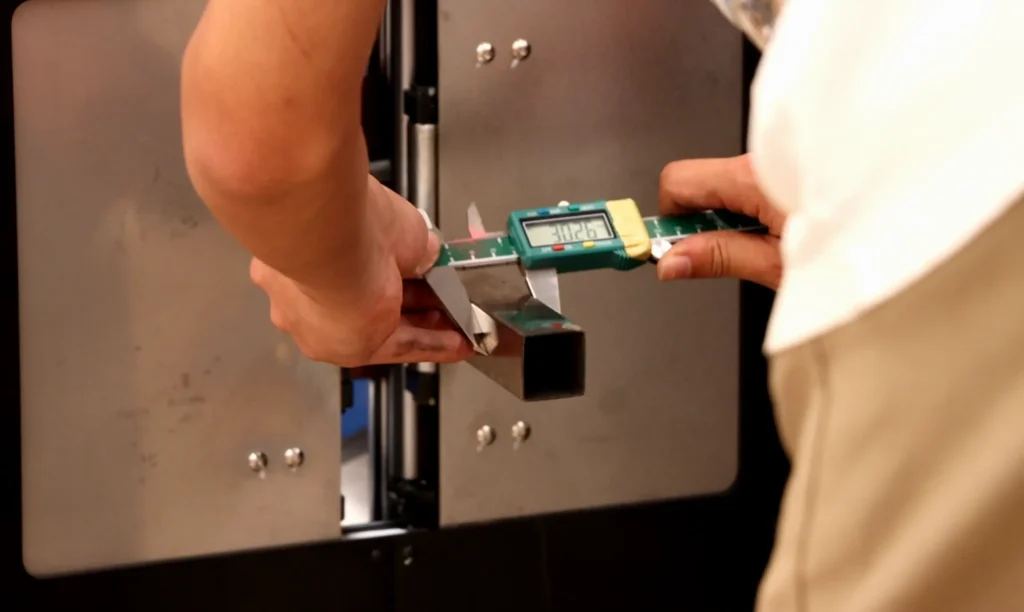
Table 3: Daily Production Throughput: Mixed Sheet and Tube Workload
| Shift Stage | Duration | Core Shop Floor Activity | Throughput & OEE Contribution |
|---|---|---|---|
| Morning Plate Block | 3.5 Hours | High-speed flat sheet nesting on dual shuttle tables | Continuous laser-on cutting time. |
| Pallet Sheet Handling | 0.5 Hours | Offloading finished skeletons and staging fresh plates | Standard material handling buffer. |
| Sheet-to-Tube Setup | 0.5 Hours | Rotary offset alignment, jaw setup, rest adjustment | Single daily changeover investment. |
| Dedicated Tube Block | 2.5 Hours | Batch cutting of round, square, and rectangular tube | High-margin internal fabrication run. |
| Tube-to-Sheet Reset | 0.5 Hours | Repositioning gantry to plate origin and nozzle check | Resetting baseline table coordinates. |
| Evening Plate Block | 0.5 Hours | Final production plate nests before shift handoff | Absorbing remaining cycle buffer. |
| Shift Totals | 8.0 Hours | 6.0 Hours Net Beam-On Processing Time | ~75% Real-World Job Shop OEE |
Ⅳ. Financial Payback: When Does a Combo Machine Justify Its Investment?
1. Eliminating third-party outsourcing markups and logistics lag
Custom metal fabricators without tube processing capability regularly outsource hollow profile cutting to external service centers. Subcontractors add machine depreciation, material handling markups, and profit margins to each order. On a monthly volume of 8 to 12 tons of structural tubing, subcontractor surcharges typically add $2,500 to $4,000 per month beyond base steel costs.
Equally damaging is lead-time uncertainty. Waiting 7 to 10 days for an outsourced subcontractor to deliver tubular chassis rails stalls the entire welding and assembly cell. Installing an in-house sheet and tube laser cutting machine eliminates outside markups and restores immediate delivery control. For broader insourcing payback models, see our analysis on in-house vs. outsourcing laser cutting financials.
2. Five-year capital outlay and payback model
While a sheet and tube laser cutting machine carries a purchase premium over a plate-only machine, it represents a fraction of the capital expenditure required to purchase, power, and staff two independent laser cutters. For an operation handling 10 tons of mixed structural pipe monthly alongside standard sheet contracts, the combined savings from eliminated subcontractor markups and retained tube orders offset the combo premium in 10 to 14 months.
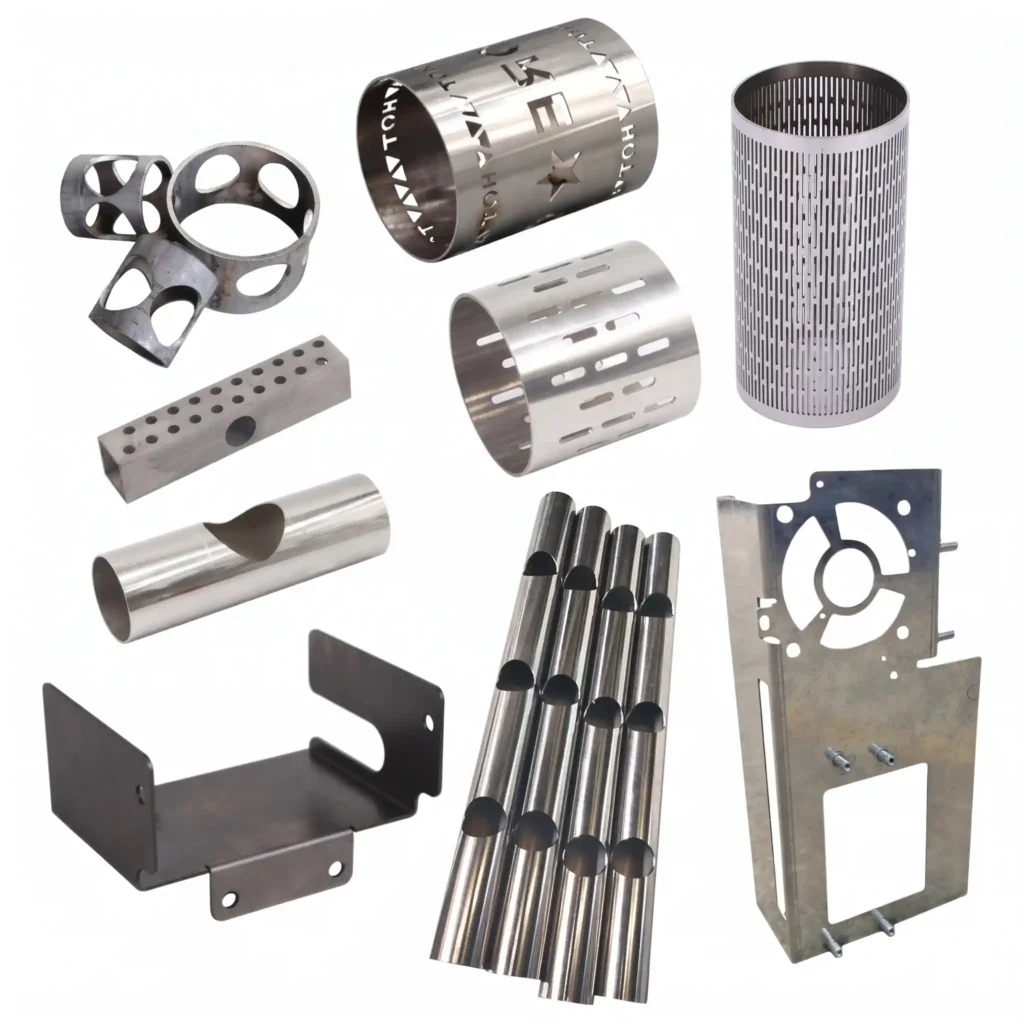
Table 4: Capital Expenditure (Capex) & Payback Model for Job Shops
| Cost Category | Flat Table + Outsourced Tube Cutting | Integrated Dual-Use Combo Cell | Net Financial Variance |
|---|---|---|---|
| Initial Machine Capex | $180,000 (Flat Table Baseline) | $245,000 (Integrated Combo) | +$65,000 dual-use investment |
| Monthly Tube Subcontracting | $3,200 / month | $0 (Processed In-House) | −$3,200 monthly cash savings |
| Allocated Floor Space Rent | $2,400 / month (Multi-cell footprint) | $1,800 / month (Consolidated cell) | −$600 overhead reduction |
| Retained Tube Margin (New Work) | $0 (Turned away or brokered) | $1,500 / month (Captured profit) | +$1,500 monthly gross margin |
| Total Monthly Cash Flow Gain | Baseline Position | +$5,300 per month net improvement | Payback on $65,000 Premium: ~12.3 Months |
Assumptions: 10 metric tons monthly tube throughput, $3,200 outsourced cutting markup, and $1,500 profit captured on previously declined tube RFQs.
3. Machine evaluation and facility layout
When evaluating dual-use machinery, balance bed capacity with factory floor workflow. For further operational budgeting data, review our analysis on sheet and tube laser cutting machine price and ROI, as well as our layout recommendations in the CNC fiber laser cutting table selection guide.
For facilities that require maximum structural rigidity and Class 4 safety enclosures, exploring our engineered fully enclosed plate and tube laser systems delivers full-format sheet productivity paired with high-precision chuck kinematics on a unified, vibration-damped machine bed.
Ⅴ. Frequently Asked Questions
Can a sheet and tube laser cut square and rectangular tubing?
Yes. An industrial sheet and tube laser cutting machine handles square tubing up to 200 × 200 mm and rectangular profiles up to 200 × 100 mm, with wall thicknesses reaching 6.0 mm on a 6 kW fiber source. Specialized jaws also clamp unequal angle iron and structural C-channel within specified weight limits.
How long does it take to switch from plate cutting to pipe cutting?
A realistic mechanical changeover takes 20 to 30 minutes for a trained operator. This window covers setting chuck jaws, adjusting intermediate pneumatic follower rest heights, swapping cutting nozzles, and verifying beam concentricity. Operations running mixed schedules batch tube jobs into dedicated daily blocks to preserve overall shop efficiency.
Does a combo machine sacrifice cutting accuracy on flat sheets?
No. The flat cutting section of a sheet and tube laser cutting machine utilizes the same rigid machine bed, heavy-duty gantry, and linear motion drives as a dedicated plate machine. Flat-table positioning tolerances remain unchanged, while the side-mounted rotary chuck operates as an independent kinematic axis without compromising sheet repeatability.
References
- ISO 9013:2017 — Thermal cutting — Classification of thermal cuts, International Organization for Standardization
- ISO 8573-1:2010 — Compressed air — Contaminants and purity classes, International Organization for Standardization
- IRS Section 179 — Election to Expense Certain Depreciable Business Assets, Internal Revenue Service
Further Reading
- Sheet and Tube Laser Cutting Machine Price & ROI Analysis — Power tier pricing and capital budgeting models for dual-use fabrication.
- Tube Laser Zero-Tailing Chuck: Scrap Reduction & Payback — How automated remnant control minimizes scrap on structural hollow sections.
- CNC Fiber Laser Cutting Table Selection Guide — Bed sizing, shuttle pallet dynamics, and shop floor layout planning.
- In-House vs Outsourcing Laser Cutting: 2026 Financial Ledger — Evaluating break-even volumes and cash flow when insourcing profile fabrication.