

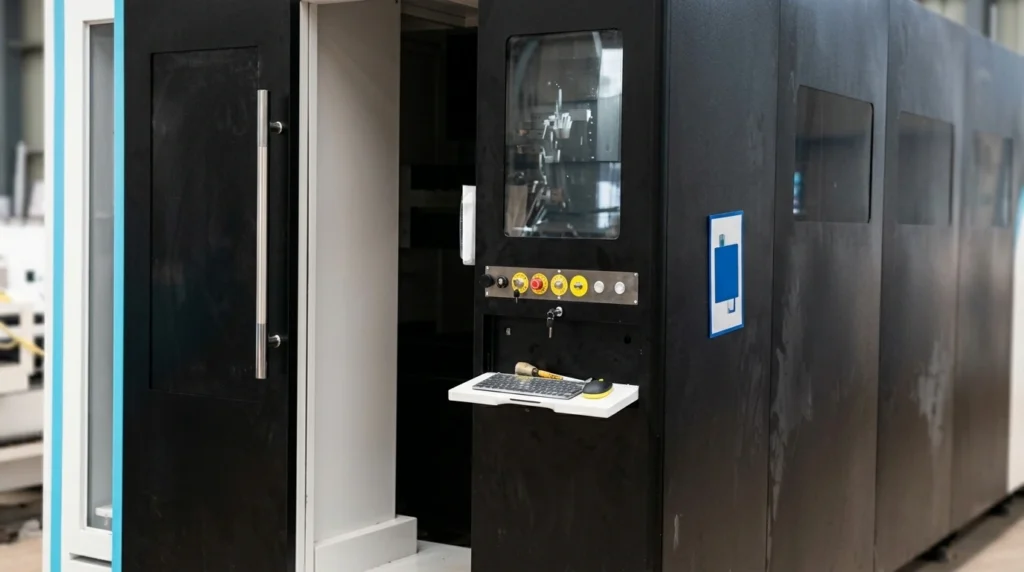
6kWのファイバーレーザー切断機は、厚さ10mmの炭素鋼を切断する場合、実用上の限界に達します。それより薄い場合は、高速かつきれいに切断できます。それより厚い場合は、切断速度が低下し、酸素切断ではエッジが酸化し、窒素切断ではガス消費量が増加します。そのため、工場では厚いワークの加工を外注し始めます。
12kWのファイバーレーザー切断機は、そのトレードオフが逆転するポイントとなります。本ガイドでは、12kWファイバーレーザー切断機の実際の価格帯を分析し、6kWシステムとの切断速度の向上を比較評価するとともに、2交替制の受注加工工場における投資回収期間の試算を行います。
Ⅰ. 12kW商用価格表:$32,000~$75,000
1. 3つの構成レベル
12kW市場は3つのティアに分かれています。エントリーティアの価格は$32,000~$42,000で、オープンタイプのシングルテーブルを採用しています。 生産向けグレードは$45,000~$58,000の価格帯で、完全密閉型筐体とデュアル交換テーブルを採用しています。 ヘビーデューティー層は$60,000~$75,000の価格帯で、24時間365日の連続稼働に対応した強化フレームを採用しています。
2. 価格差で実際に得られるもの
エントリーモデルから生産モデルへの$13,000という価格差は、筐体、2台目のテーブル、ゾーン制御式排煙装置、および安全インターロックのコストを賄うものです。 生産用からヘビーデューティー用への$15,000の価格差には、焼鈍処理された頑丈なフレーム、バスレベル制御システム、および高圧動的ガスバルブの費用が含まれています。
3. 各階層の耐用年数が異なる場合
エントリーグレードは、厚さが異なるワークの1シフト稼働向けに設計されています。プロダクショングレードは、熱疲労が生じることなく2シフト稼働が可能です。ヘビーデューティグレードは連続稼働が可能で、そのフレームは持続的な熱負荷下でも形状を維持します。
表1:12kWファイバーレーザー切断機の価格・仕様一覧表
| ティア | 価格帯(米ドル) | テーブルの設定 | フレームタイプ | デューティサイクル |
|---|---|---|---|---|
| エントリー | $32,000~$42,000 | 単一のテーブルを開く | 溶接済み、応力除去済み | 1シフト制 |
| 制作 | $45,000~$58,000 | 密閉型二重熱交換器 | 溶接済み、応力除去済み | 2交代制 |
| ヘビーデューティー | $60,000~$75,000 | 密閉型二重熱交換器 | 焼きなまし処理済みの重厚なフレーム | 連続 |
公共調達の構成基準に基づいています。実際の価格は、オプション、納期、および地域ごとのサポート内容によって異なります。
Ⅱ. 6kW 対 12kW:生産性のベンチマークと厚さの閾値
1. 6kWで余裕がなくなる場合
厚さ10mmの炭素鋼の場合、6kWの溶射源では、酸素アシストを用いて2.8~3.2 m/minの速度で切断できます。 16mmの厚さでは、切断速度は1.2~1.5 m/minに低下します。20mmでは、1.0 m/minを下回ります。より厚い鋼板では、この機械はもはや競争力を持ちません。
2. 12kWが方程式を変える場合
12kWの出力源では、エアアシストを使用し、10mmの炭素鋼を5.0~6.0 m/minの速度で切断します。 16mmの鋼板では、2.2~2.8 m/minの速度を維持します。20mmの鋼板でも、1.5~2.0 m/minの速度で切断が可能です。6kWの電源と比較した速度向上率は、10mmで1.7倍、16mmでは2倍以上となります。
3. ステンレス鋼の挙動
ステンレスは、どの出力レベルにおいても炭素鋼よりも切削速度が遅くなります。これは、窒素アシストがより粘度の高い溶融金属を押し除けなければならないためです。それでも、6kWに対して12kWの場合、10mmのステンレスでは約1.8倍、16mmのステンレスでは約2.2倍の切削速度の差があります。
4. アシストガスのコスト係数
16~18 barの高圧空気を用いた場合、切断1時間あたりの電気代とフィルター消耗費は$3.2~$4.5となる。同じ圧力で液体窒素を使用した場合、切断1時間あたりのコストは$20~$30となる。 16mmの炭素鋼に対してエアアシストを使用する12kWの機械は、窒素を使用する6kWの機械よりも1メートルあたりのコストが低く、これは包括的な レーザー切断用ガスのコスト ミディアムプレート全体にわたるベンチマーク。
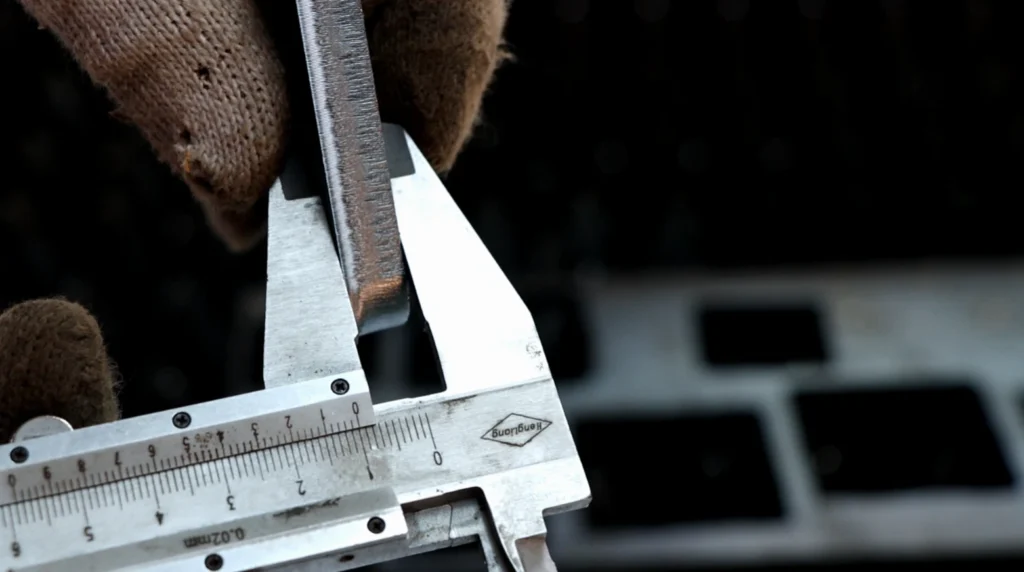
表2:6kWと12kWの切断速度およびアシストガスの比較
| 素材 | 厚さ | 6kW 速度(m/min) | 12kW 速度(m/min) | 速度向上 | 6kW ガス | 12kW ガス |
|---|---|---|---|---|---|---|
| 炭素鋼 | 6mm | 6.0~7.5 | 12.0~15.0 | ~2.0倍 | O₂ | 空気 |
| 炭素鋼 | 10mm | 2.8~3.2 | 5.0~6.0 | 約1.8倍 | O₂ | 空気 |
| 炭素鋼 | 16mm | 1.2~1.5 | 2.2–2.8 | 約1.9倍 | O₂ | 空気 |
| 炭素鋼 | 20mm | 0.8~1.0 | 1.5~2.0 | ~2.0倍 | O₂ | 空気 |
| ステンレス304 | 6mm | 5.0~6.0 | 10.0~12.0 | ~2.0倍 | N₂ | 空気 |
| ステンレス304 | 10mm | 2.2–2.6 | 4.0~5.0 | 約1.9倍 | N₂ | 空気 |
| ステンレス304 | 16mm | 0.9~1.2 | 2.0~2.5 | ~2.2倍 | N₂ | 空気 |
実証済みの産業用ベンチマークデータです。実際の速度は、材料のグレード、ノズルの選定、およびガスの純度によって異なります。
Ⅲ. 施設インフラおよび隠れた設備投資に関するチェックリスト
1. 変圧器および送電網の容量
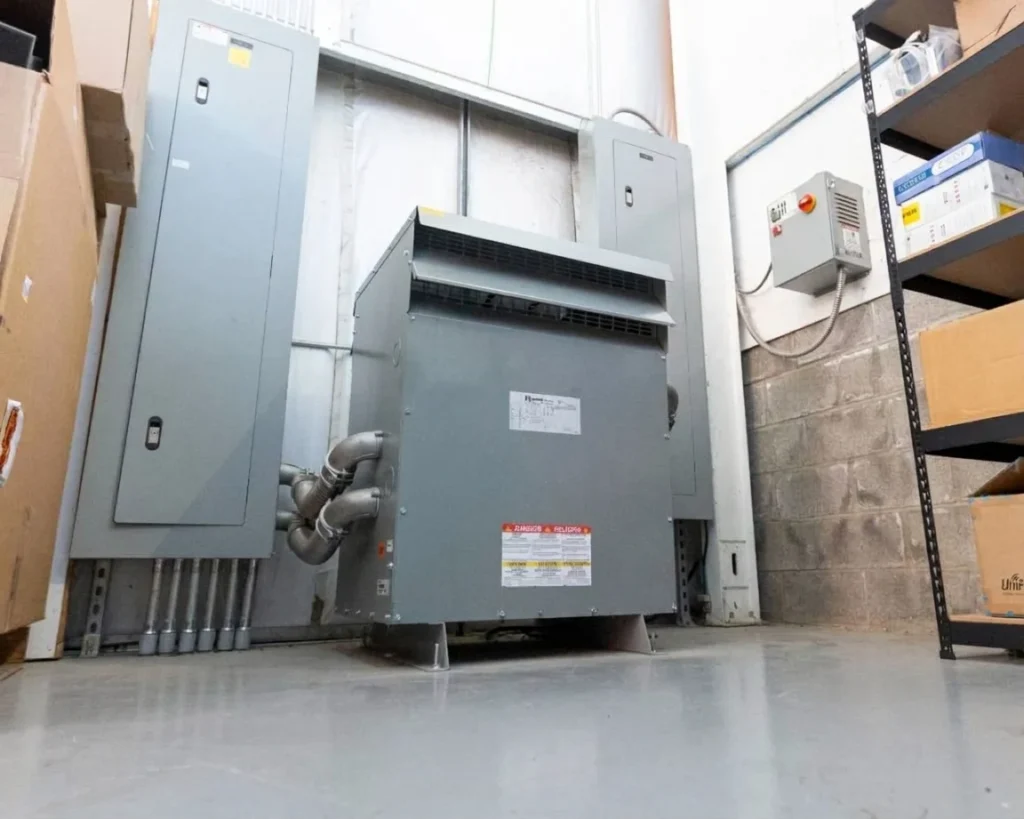
12kWの発電源は、チラーおよび排気設備を含め、壁コンセントから55~70 kWを消費します。 ピーク負荷に余裕を持って対応するためには、変圧器の定格容量が100~125 kVAである必要があります。既存の変圧器の容量が不足している場合、新しい変圧器と開閉装置の導入にかかるアップグレード費用は$3,000~$6,500となります。
2. 空気圧縮機ステーション
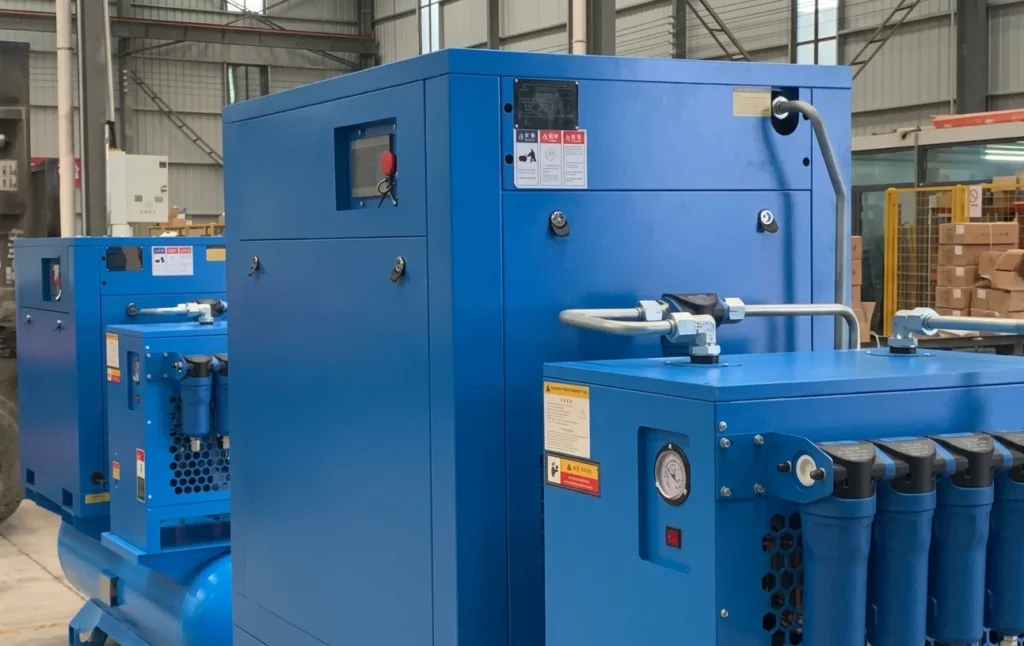
その工場がエアアシスト方式を採用している場合、冷凍式ドライヤーと4段階のろ過装置を備えた16~18バールの高圧コンプレッサーの設置費用は、$6,500~$9,500となります。これは初期費用ですが、厚板加工におけるガス消費量の削減により、導入後1年以内に元が取れます。
3. 床荷重および資材運搬
頑丈なフレームを備えた12kWの機械は、重量が8~12トンあります。床の耐荷重は、1平方メートルあたり4.5トン以上である必要があります。既存のスラブが耐荷重要件を満たしていない場合、補強費用は面積に応じて$8,000~$15,000となります。
表3:12kWへの増設に向けた施設インフラ設備投資チェックリスト
| 品目 | 仕様 | 推定費用 | 注記 |
|---|---|---|---|
| 変圧器および開閉装置 | 100~125 kVA | $3,000~$6,500 | 既存のものが小さすぎる場合 |
| 空気圧縮機ステーション | 16~18 bar、4段階ろ過 | $6,500~$9,500 | エアカッティングに必須 |
| 床の補強 | 4.5 t/m² 以上 | $8,000–$15,000 | If slab is underrated |
| Electrical wiring | High-current feed | $1,500–$3,000 | Depends on distance |
| Installation & commissioning | On-site assembly | $2,500–$5,000 | Includes alignment |
Based on typical job shop equipment capital expenditure benchmarks. Costs vary with site conditions and local labor rates.
Ⅳ. Insourcing Economics: Recovering Outsourced Thick Plate Work
1. The outsourcing loss
A job shop evaluating in-house vs outsourcing laser cutting for 12–20mm carbon steel pays the subcontractor’s material markup plus a 30%–40% gross margin. On a $10,000 monthly outsourcing bill, the shop is paying $3,000–$4,000 in subcontractor margin alone.
2. The hidden costs of outsourcing
Beyond the invoice, outsourcing adds lead time of 5–10 business days, freight cost, and the risk of fit-up rejects that come back at the shop’s expense. These costs do not appear on the quote but appear in the production log.
3. The insourcing benefit
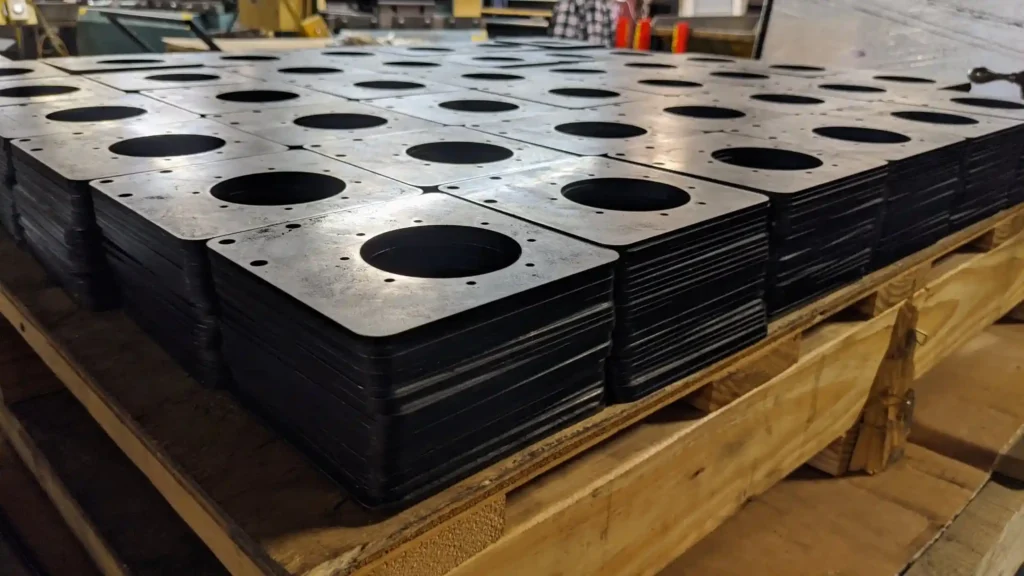
A 12kW machine brings the work in-house. The material markup disappears, the lead time drops to hours, and the fit-up quality is controlled internally. The shop recovers the margin it was paying out.
Ⅴ. 3-Year TCO & Financial Payback Modeling
1. The baseline assumptions
Dual-shift operation at 3,200 cutting hours per year. Sixty percent of outsourced 12–20mm work is recovered in-house. Air assist replaces part of the nitrogen consumption. Equipment is financed over 36–48 months.
2. The annual cash flow
The machine generates cash from three sources: the insourced work that was previously outsourced, the gas saving from switching thick plate to air assist, and the additional capacity that the higher speed creates.
3. The payback
At a purchase price of $52,000 (production tier) financed over 48 months at 8.5% APR, the monthly payment is roughly $1,280. The monthly cash benefit from insourcing and gas savings is $5,500–$6,800. The cumulative cash position reaches breakeven in 8.5–10.8 months.
Table 4: 3-Year TCO & Payback Model for 12kW Upgrade
| Cost / Benefit | Year 1 | Year 2 | Year 3 | 3-Year Total |
|---|---|---|---|---|
| Machine financing | $15,360 | $15,360 | $15,360 | $46,080 |
| Electricity & gas | $28,800 | $30,240 | $31,752 | $90,792 |
| Consumables & maintenance | $6,500 | $7,000 | $7,500 | $21,000 |
| Insourced work recovered | $66,000 | $69,300 | $72,765 | $208,065 |
| Gas savings (air vs N₂) | $18,000 | $18,900 | $19,845 | $56,745 |
| Net cash position | +$33,340 | +$35,600 | +$37,998 | +$106,938 |
Payback is calculated on cumulative cash position against total capex. The 8.5–10.8 month range assumes 60% insourcing and dual-shift operation. At single shift, payback extends to 14–17 months.
Ⅵ. CFO Equipment Acquisition Checklist
1. Thickness mix
A 12kW upgrade pays back fastest when more than 30% of cutting hours are on plate 10mm or thicker. Below that threshold, the machine’s speed advantage is underused, and a 6kW machine with higher acceleration may deliver better throughput on thin sheet.
2. Monthly outsourcing bill
If the shop spends more than $4,000 per month on outsourced 12–20mm work, the insourcing case is strong. Below $2,500 per month, the payback extends beyond 18 months and the upgrade is harder to justify.
3. Electrical capacity
The shop must confirm available transformer capacity before signing. A 100–125 kVA feed is the minimum. If the existing transformer is close to its limit, the upgrade cost must be added to the payback model.
4. Support and service radius
A 12kW machine is a production asset. Downtime cost is high. Verify the service response time and spare part availability in the shop’s region before finalizing the purchase.
Ⅶ. Finance & Operations FAQ
Q1: How much more does a 12kW machine cost per hour to run than a 6kW?
The electricity draw rises from 35–45 kW on 6kW to 55–70 kW on 12kW. At $0.12 per kWh, the difference is $2.40–$3.00 per hour. However, on thick plate the 12kW machine cuts faster and uses air assist instead of nitrogen, so the per-meter cost is often lower.
Q2: What is the annual maintenance and consumable cost difference?
Consumable cost rises roughly 40%–60% with power, driven by higher thermal load on the nozzle and protective lens. On a dual-shift operation, the annual difference is $2,000–$3,500. The heavier frame and bus-level control system have longer service intervals than the entry tier.
Q3: What is the residual value of a 12kW machine after 3–5 years?
A 12kW machine from a recognized manufacturer typically retains 45%–60% of its original value after three years, and 30%–40% after five years. Machines with an annealed heavy frame and documented service history retain the higher end of the range.
Q4: If the shop’s electrical capacity is insufficient, is a rented transformer or off-peak scheduling financially viable?
A rented transformer costs $400–$800 per month. Off-peak scheduling shifts the cutting hours to lower electricity rates. Both are viable short-term measures, but neither replaces a permanent capacity upgrade if the shop runs the machine continuously.
Engineering / Investment Verdict
A 12kW fiber laser cutting machine is not an incremental upgrade from 6kW. It is a change in the shop’s capability ceiling. The machine cuts thick plate fast enough to bring outsourced work in-house, and it runs air assist at a fraction of the nitrogen cost.
Before signing a purchase order, verify four things: the thickness mix of the shop’s cutting hours, the monthly outsourcing bill on thick plate, the available transformer capacity, and the service response radius. The machine specification follows from those four parameters.
At WSL, the 12kW platform is configured against the shop’s actual thickness mix and outsourcing profile. The machine is not sold as a standard package. It is specified to the insourcing opportunity the shop actually faces.
参考文献
- ISO 9013:2017 — Thermal cutting — Classification of thermal cuts, ISO, 2017
- AWS D1.1/D1.1M — Structural Welding Code — Steel, American Welding Society
- IRS Section 179 — Election to Expense Certain Depreciable Business Assets, Internal Revenue Service
Further Reading
- 20kW Fiber Laser Cutting Machine: Cost & Payback — The next step up in power and payback.
- Laser Cutting Gas Cost: Nitrogen vs. Compressed Air TCO — The gas economics behind the 12kW air assist case.
- Laser Cutter Cost Per Hour: The Full Operating Ledger — The hourly cost model behind the payback.
- In-House vs Outsourcing Laser Cutting: Cost & ROI — The insourcing decision framework.





